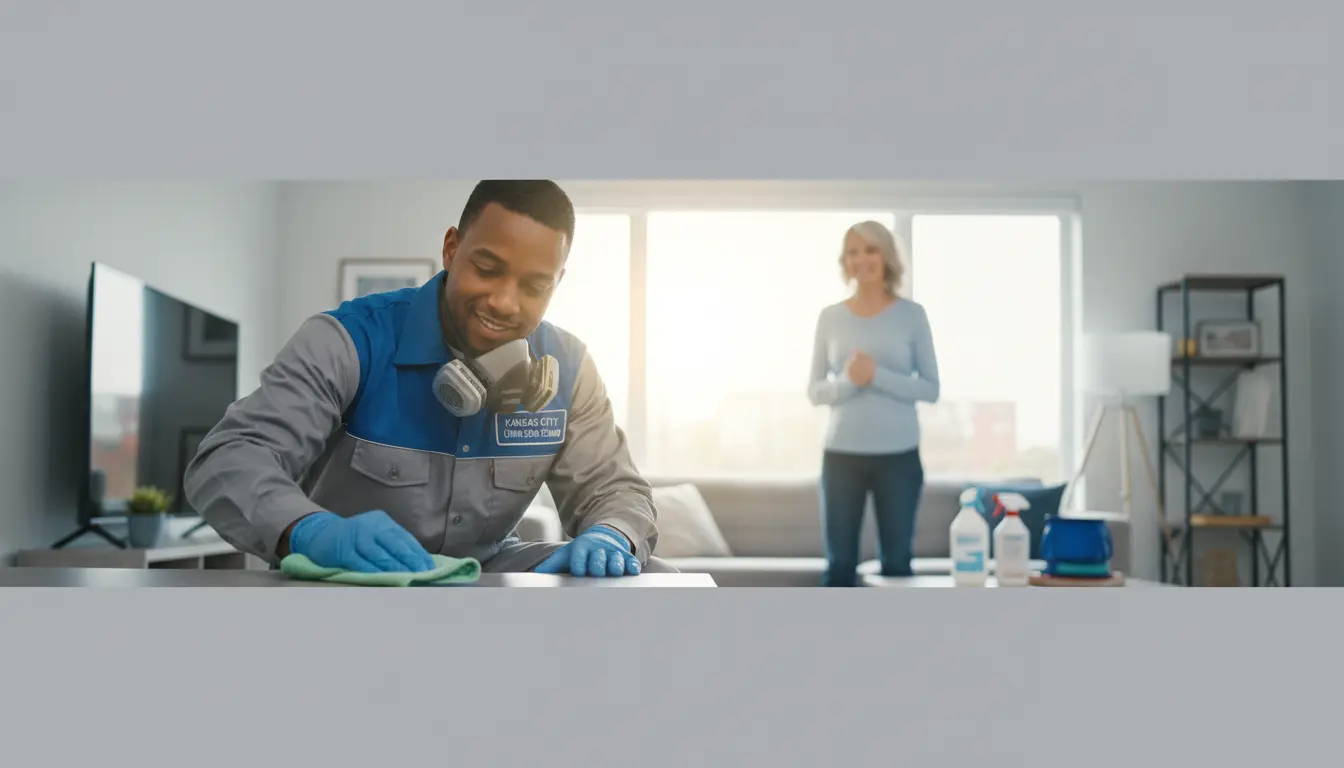
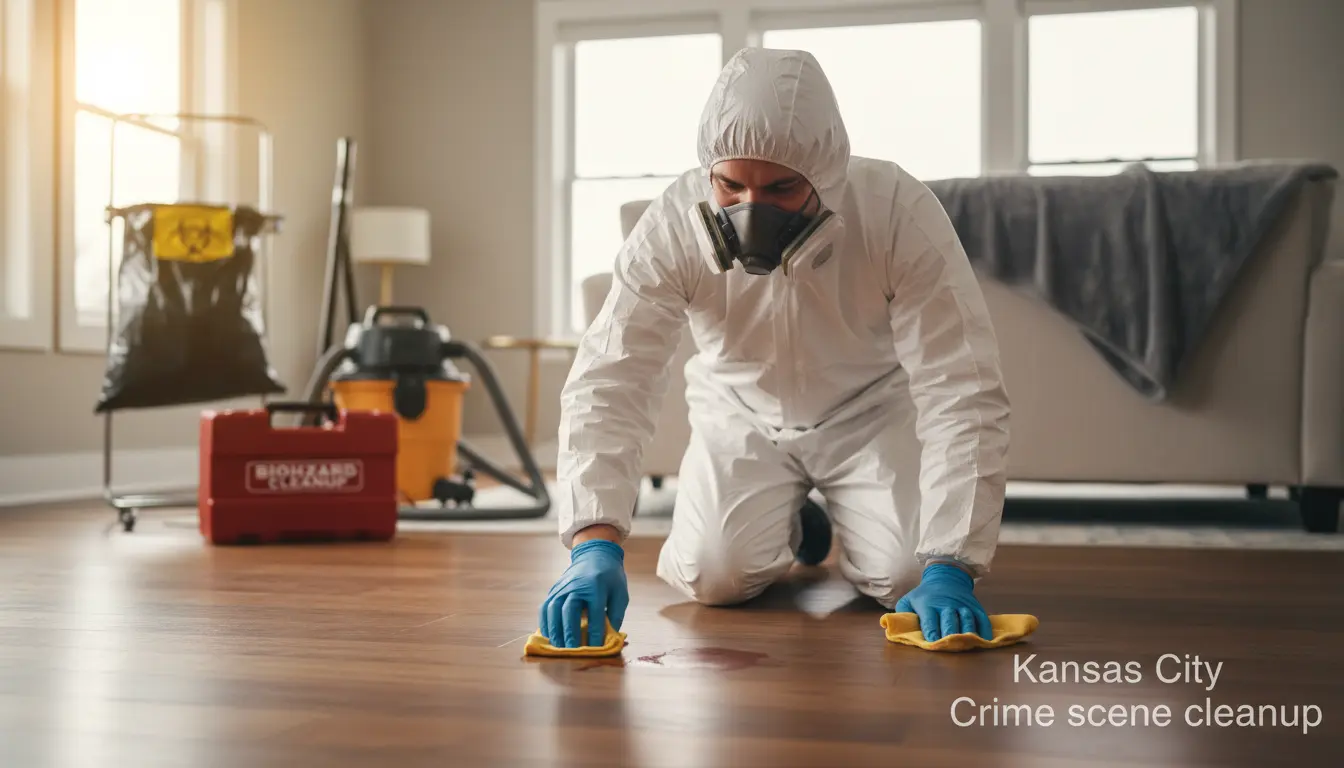
Losing a loved one to suicide is an unimaginable tragedy that leaves families in Kansas City and across Missouri grappling with profound grief. Beyond the emotional devastation, the physical aftermath—a scene contaminated with biohazards, blood, and bodily fluids—requires immediate and professional attention. As a trusted provider of trauma scene decontamination services, Kansas City Crime Scene Cleanup understands the unique challenges of suicide scene cleanup in our community. We’re here to guide you through the essential steps, ensuring safety, compliance with Missouri regulations, and a compassionate approach tailored to the Kansas City area.
In this comprehensive guide, we’ll outline the key processes involved, from initial assessment to final restoration. Whether you’re in Westport or Overland Park, knowing these steps can help you make informed decisions during one of life’s darkest moments. Remember, attempting DIY cleanup can expose you to serious health risks and legal issues—always prioritize professional intervention.
Understanding the Scope of Suicide Scene Cleanup
Suicide scenes present complex biohazard situations that go beyond simple tidying. Bloodborne pathogens, decomposition odors, and structural damage can linger if not handled properly. In Missouri, state health and environmental laws mandate that such cleanups adhere to strict OSHA and EPA guidelines to prevent the spread of diseases like hepatitis and HIV.
Why Professional Cleanup is Crucial in Kansas City
Kansas City’s humid climate can accelerate decomposition, making scenes in areas like Midtown particularly hazardous. Professionals equipped with PPE (personal protective equipment), industrial-grade cleaners, and disposal protocols ensure thorough sanitation. For instance, our team at Kansas City Crime Scene Cleanup has handled countless cases in Grandview, restoring properties to safe, livable conditions without compromising your privacy.
Attempting cleanup without expertise not only risks your health but can also void insurance claims or violate local ordinances. Insurance often covers these services—contact your provider early to understand coverage for biohazard remediation.
Step 1: Securing the Scene and Ensuring Safety
The first priority after a suicide is safety—for responders, family, and the community. Immediately cordon off the area to prevent accidental exposure.
Initial Assessment and Containment
Upon arrival, professionals conduct a detailed walkthrough to identify hazards. This includes checking for sharp objects, chemical residues, or structural instability. In Kansas City homes, where spaces can be compact, containment is key: seal off vents, doors, and windows to prevent airborne contaminants from spreading.
Practical Tip: If you’re the first on scene, do not touch anything. Evacuate the area and call authorities. For expert assistance, reach Kansas City Crime Scene Cleanup at (913) 259-6735—we respond 24/7 to Country Club Plaza and surrounding neighborhoods.
Use plastic sheeting and tape to isolate the space, minimizing cross-contamination. Document the scene with photos for insurance and legal purposes, but only after law enforcement has released it.
Step 2: Proper Removal of Biohazardous Materials
Once secured, the removal phase begins. This involves meticulous extraction of all contaminated items.
Handling Blood and Bodily Fluids
Blood soaks into porous surfaces like carpets and upholstery, requiring specialized enzymes to break down proteins. Professionals use HEPA vacuums and absorbent powders to extract fluids safely. In Missouri’s variable weather, moisture can lead to mold growth, so rapid action is essential.
Actionable Advice: Dispose of heavily soiled items like mattresses or rugs as biohazardous waste—do not attempt to clean them yourself. Our decomposition cleanup experts ensure compliant disposal at certified facilities, avoiding fines up to $10,000 under Missouri law.
For smaller stains, avoid bleach initially; it can fix proteins. Instead, use commercial biohazard cleaners followed by disinfection.
Dealing with Odors and Residues
Decomposition odors from unattended scenes can permeate walls and HVAC systems. Ozone generators and activated charcoal help neutralize smells, but only after initial cleanup to avoid masking underlying issues.
In Kansas City’s older homes, odors can travel through shared walls—prompt service prevents neighbor complaints and property devaluation.
Step 3: Thorough Disinfection and Decontamination
Disinfection eliminates 99.9% of pathogens, restoring the space to pre-incident conditions.
Surface Cleaning Protocols
Start with gross removal, then apply EPA-approved disinfectants. For wall surface sanitization, use microfiber cloths and antimicrobial sprays, paying attention to crevices where fluids hide.
Practical Tip: In high-traffic Kansas City apartments, test for hidden contamination under furniture. UV lights can reveal traces invisible to the naked eye.
HVAC and Air Quality Restoration
Contaminants can circulate through ducts, so professionals clean and fog systems with hospital-grade solutions. This step is vital in Missouri’s allergy season to prevent respiratory issues.
Step 4: Restoration and Reconstruction
Cleanup isn’t complete without making the space functional again.
Repairing Damaged Structures
Suicide scenes may involve structural damage from weapons or falls. Our team assesses and coordinates with contractors for property damage repair, from patching drywall to refinishing floors.
Actionable Advice: For floor restoration services, seal subfloors to prevent future issues. In historic Kansas City districts like Westport, we preserve architectural integrity while ensuring safety.
Insurance adjusters appreciate detailed reports from pros, speeding up claims. Budget for potential replacements—carpets alone can cost $2,000–$5,000 in a standard room.
Emotional and Legal Considerations in Missouri
Beyond the physical, suicide cleanup touches on emotional healing and legal compliance.
Supporting Grieving Families
We approach each job with empathy, offering resources like local Kansas City grief counseling hotlines. Privacy is paramount—our discreet vehicles and teams respect your space.
Navigating Missouri Regulations
Missouri requires biohazard waste transport by licensed haulers. Non-compliance can lead to health department interventions. Always verify certifications; Kansas City Crime Scene Cleanup holds all necessary licenses for Jackson and Clay Counties.
Tip: Coordinate with coroners and police, who must clear the scene first. Delays can exacerbate decomposition in our warm summers.
FAQ: Common Questions About Suicide Scene Cleanup
1. How long does suicide scene cleanup take in Kansas City?
Timelines vary by scene size—small apartments may take 4–8 hours, while larger homes require 1–3 days. Factors like access and contamination level influence this. Our rapid response minimizes downtime.
2. Is suicide cleanup covered by insurance in Missouri?
Yes, most homeowner and renter policies cover biohazard cleanup under peril endorsements. Contact your agent; we assist with documentation to streamline claims.
3. Can I clean a suicide scene myself to save money?
We strongly advise against it due to health risks and legal pitfalls. Professionals ensure OSHA compliance and use safe disposal methods—DIY can cost more in medical bills or fines.
4. What if the scene is in a rental property in Overland Park?
Landlords must notify tenants and handle cleanup per Kansas statutes. We work with property managers for swift, thorough service to avoid lease disputes.
5. How do I know if the cleanup was thorough?
Reputable companies provide ATP swab tests and certificates of disinfection. We guarantee our work, with follow-ups if odors or residues persist.
Conclusion: Take the First Step Toward Healing
Suicide scene cleanup in Missouri demands expertise, compassion, and precision—qualities Kansas City Crime Scene Cleanup delivers to families across the metro. From initial containment to full trauma scene decontamination, our process restores safety and serenity to your home or business.
Don’t face this alone. If you’re in Kansas City, Westport, or nearby areas, contact us today at (913) 259-6735 for a confidential consultation. Let us handle the cleanup so you can focus on healing. Your peace of mind is our priority.