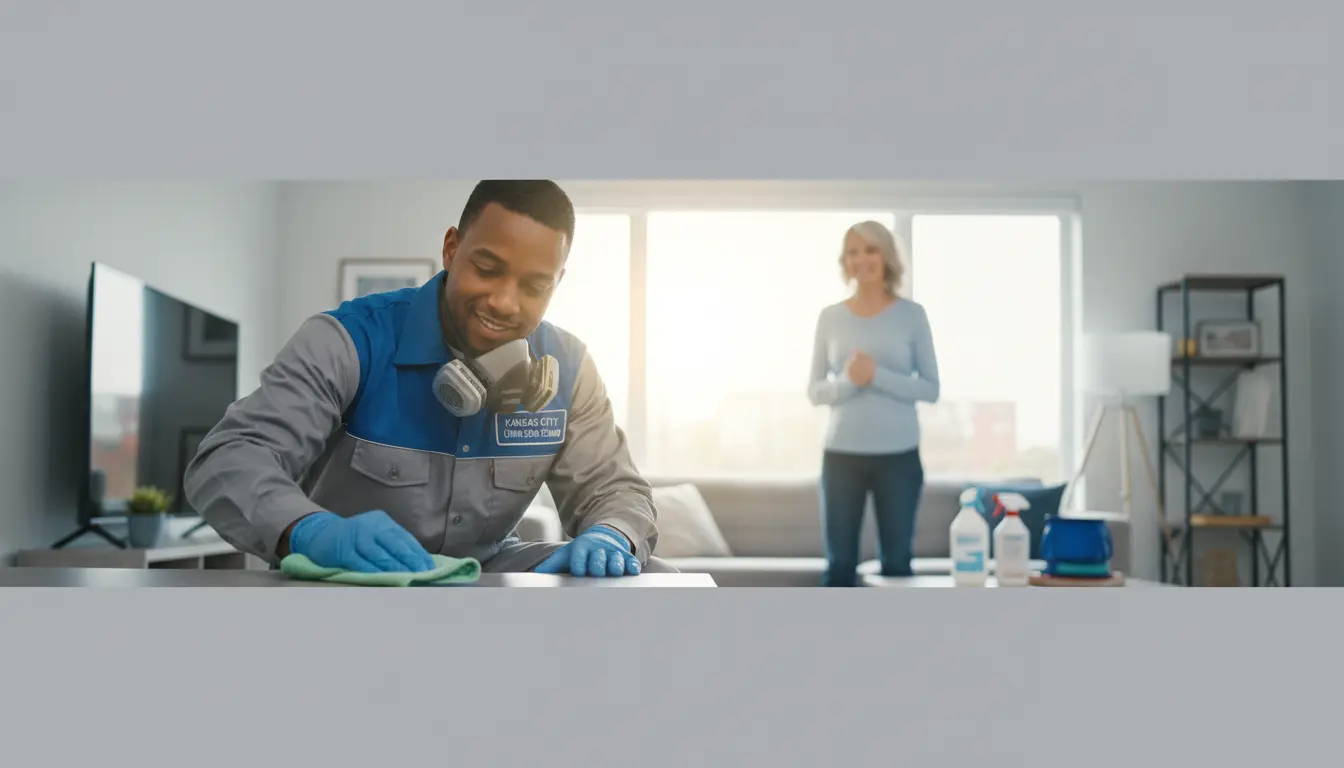
Emergency crime scene cleanup services near Downtown Kansas City refer to the professional, certified remediation of biological hazards, chemical residues, and structural damage left after violent crimes, accidents, or unattended deaths. This is not a form of standard janitorial cleaning or a task for general maintenance crews. The work involves the systematic removal of bloodborne pathogens, tissue matter, and other potentially infectious materials under strict regulatory protocols set by OSHA, the EPA, and the IICRC S540 standard. In the Kansas City metro area, where historic mid-century homes and commercial lofts present unique structural challenges, the distinction between a thorough decontamination and a superficial wipe-down can mean the difference between a safe, habitable space and a long-term health liability.
Property owners, property managers, and family members facing the aftermath of a traumatic event often find themselves overwhelmed, not only by grief but by the practical urgency of restoring the property. The window for effective biohazard removal is narrow. Within hours, biological fluids can seep into porous wood, drywall, and subflooring, creating conditions for microbial growth and permanent odor penetration. Emergency crime scene cleanup services near Downtown Kansas City are designed to respond within 60 to 90 minutes of a call, deploying a team trained in containment, disinfection, and waste disposal that meets both Missouri state regulations and federal safety standards.
Choosing a local, specialized provider like Kansas City Crime scene cleanup means working with technicians who understand the specific environmental variables of the region—how humidity from the Missouri River Valley accelerates decomposition, how temperature swings in older brick buildings affect chemical efficacy, and how to navigate the logistical constraints of downtown parking and access for response vehicles. This is not a generic service; it is a precise, science-driven intervention that protects the health of everyone who enters the space afterward.
What Defines Emergency Crime Scene Cleanup Services Near Downtown Kansas City
Emergency crime scene cleanup services near Downtown Kansas City encompass a defined set of technical procedures that begin the moment a call is received. The first step is a remote risk assessment, where the dispatch team gathers information about the type of incident—homicide, suicide, accident, or unattended death—the surface materials involved, and the time elapsed since the event. This data determines the initial response kit, the level of personal protective equipment required, and the number of technicians needed. Unlike a generic cleaning crew, a biohazard remediation team arrives with industrial-grade negative air machines, HEPA-filtered vacuums, hospital-grade disinfectants, and enzyme-based cleaners specifically formulated to break down protein-based stains and neutralize pathogens at the molecular level.
The actual on-site process follows a strict sequence. First, the area is isolated using physical barriers and negative air pressure to prevent airborne contaminants from migrating to unaffected parts of the building. This is especially critical in Downtown Kansas City’s mixed-use properties, where residential units share ventilation systems with commercial spaces. Next, all visible biohazardous material is removed using absorbent tools and placed into regulated medical waste containers. Surfaces are then scrubbed with detergents, rinsed, and treated with an EPA-registered disinfectant that has a verified dwell time—typically ten to fifteen minutes—to ensure complete pathogen inactivation. Finally, an adenosine triphosphate (ATP) fluorescence test is performed on representative surfaces to confirm that biological residue has been eliminated below the threshold considered safe by the IICRC S540 standard.
One often overlooked aspect is the structural assessment that follows the initial cleaning. Blood and other fluids can migrate along baseboards, behind wall cavities, and into subflooring. A professional team uses moisture meters and thermal imaging cameras to detect hidden saturation. If porous materials like drywall, carpet padding, or untreated wood have been compromised, they must be cut out and replaced. Simply cleaning the surface is not sufficient; pathogens can remain viable inside porous substrates for days or even weeks, posing a continuous risk of infection to anyone who touches or disturbs those materials. Emergency crime scene cleanup services near Downtown Kansas City always include a full structural evaluation as part of the standard protocol.
The Step-by-Step Technical Remediation Process
Initial Risk Assessment and Scene Stabilization
Upon arrival, the lead technician conducts a walk-through to identify all contaminated zones, assess structural hazards like broken glass or compromised flooring, and establish a containment perimeter. This stage also involves shutting down HVAC systems to prevent aerosolized particles from spreading. In Downtown Kansas City, many older buildings have shared air ducts, so this step is non-negotiable. The team then documents the scene with photographs for insurance purposes, a practice that aligns with both legal requirements and the detailed reporting needed for claims under homeowner’s or property insurance policies.
Personal Protective Equipment and Cross-Contamination Prevention
Every technician dons a full ensemble: Tyvek suits, double-gloved with nitrile, face shields or goggles, and respirators rated for bloodborne pathogens. The goal is to create a barrier that prevents any skin or mucous membrane exposure. A clean zone is established outside the containment area where tools and PPE are donned and doffed, and a decontamination corridor is set up for exiting the hot zone. This system ensures that no biological material leaves the work area on clothing or equipment, protecting the rest of the property and the surrounding neighborhood.
Physical Removal and Chemical Disinfection
All visible biological matter is removed using absorbent pads, scoops, and disposable tools. The waste is immediately double-bagged in red biohazard bags and sealed. Following physical removal, the team applies a two-step chemical process: first, a detergent solution to break down organic residues, then a hospital-grade disinfectant with a broad-spectrum kill claim against bacteria, viruses, and fungi. The disinfectant is applied using electrostatic sprayers, which charge the droplets so they wrap around surfaces and reach into crevices that manual wiping might miss. This method is particularly effective on textured surfaces common in historic Kansas City properties.
Verification and Final Structural Restoration
After the disinfectant has dried, the team performs ATP testing. A swab is taken from a predetermined grid of surfaces—countertops, walls, floors—and inserted into a luminometer. If the reading exceeds the threshold set by the IICRC, the area is re-cleaned and re-tested. Once verification is passed, the team proceeds to structural restoration. This may involve replacing sections of drywall, installing new subflooring, repainting with antimicrobial coatings, and sealing porous surfaces to prevent any residual odor from escaping. The entire process, from arrival to final clearance, typically takes six to twelve hours for a single room, depending on the extent of contamination.
Professional Remediation Versus Standard Cleaning: A Data Comparison
To understand why emergency crime scene cleanup services near Downtown Kansas City are fundamentally different from a standard cleaning service, consider the following comparison based on the IICRC S540 standard:
| Feature/Metric | Professional Biohazard Remediation | Standard Residential Cleaning |
|---|---|---|
| Regulatory Compliance | Follows OSHA 29 CFR 1910.1030, EPA FIFRA, DOT 49 CFR for waste transport, and IICRC S540 | No regulatory framework for biohazards; may violate federal law if handling regulated waste |
| Pathogen Elimination | Verified by ATP testing (below 10 RLU threshold), uses EPA-registered hospital disinfectants with validated dwell times | No verification; bleach or household cleaners may not achieve full inactivation of bloodborne pathogens |
| Structural Assessment | Uses moisture meters and thermal imaging to detect hidden contamination; replaces porous materials as needed | Surface cleaning only; does not address migration into subflooring, wall cavities, or under baseboards |
| Waste Disposal | All waste transported by licensed medical waste carrier to permitted treatment facility; incineration or autoclaving | Waste may be placed in regular trash, which is illegal under Missouri and federal regulations |
| Odor Control | Industrial-grade ozone or hydroxyl generators; enzyme treatments for organic decomposition | Air fresheners or open windows; does not neutralize the source of volatile organic compounds |
Expert Diagnostic Insights from a Senior Biohazard Specialist
With over a decade of experience in the field, I have seen the same patterns repeat. Property owners and even some general contractors underestimate how deeply biological fluids can penetrate. Here are three advanced diagnostic tips that separate a professional restoration from an amateur attempt:
First, always check the subfloor around the perimeter of the room. Blood and other fluids do not stay where they land. Capillary action draws them along the grain of wood and under baseboards. I have found contamination six feet away from the visible stain, hidden beneath laminate flooring. A moisture meter with a pin-type probe is the only reliable tool for detecting this, and it should be used on every inch of the affected area. Second, never assume that a visual inspection is sufficient. Pathogens can survive on surfaces that look clean. That is why ATP testing is not optional—it is the only way to confirm that biological residue has been reduced to a safe level. Third, understand that porous materials are a liability. If a wooden floor or drywall has been contaminated, cleaning it is a temporary fix. The organic material can remain trapped, leading to microbial growth and persistent odor that will return months later. Replacement is the only permanent solution.
Now, let me address the most common mistakes I encounter. The first is using household bleach on biological matter. Bleach is inactivated by organic material; it loses its disinfecting power as soon as it contacts blood or tissue. Moreover, it cannot penetrate porous surfaces. The result is a false sense of security. The second mistake is waiting for the odor to dissipate naturally. Odor is caused by volatile organic compounds released by decomposing tissue. These compounds are not going to disappear on their own. They will continue to off-gas, and if the source is not removed, they will permeate the entire building. The third mistake is allowing untrained personnel—family members, friends, or well-meaning neighbors—into the scene before remediation. They can track contaminants to other parts of the property on their shoes and clothing, and they can be exposed to airborne pathogens. I have seen cases where a well-intentioned family member ended up in the emergency room with a bloodborne pathogen exposure because they walked into a room without PPE.
Pricing Structure for Emergency Crime Scene Cleanup Services Near Downtown Kansas City
- Site mobilization fee: A fixed charge to cover travel time, vehicle setup, and initial risk assessment. For Downtown Kansas City, this typically ranges from $250 to $500, depending on the distance from our staging facility and the time of day.
- Hourly remediation rate: The core cost is billed per technician per hour. Rates range from $150 to $275 per hour per technician, with a typical two-person team being the minimum for any biohazard scene. A standard single-room cleanup may require six to twelve hours of on-site work.
- Waste disposal fees: Regulated medical waste must be transported by a licensed carrier to a permitted treatment facility. Disposal costs are based on weight and volume, typically $50 to $150 per container. A moderate scene may generate two to four containers.
Three primary factors influence the final cost. The first is the extent of structural material replacement. If only the surface is contaminated and the substrate is non-porous (like tile or sealed concrete), the cost is lower. If drywall, carpet, or wood subflooring must be removed and replaced, the cost increases significantly. The second factor is the total volume of biohazardous waste. A scene involving a large amount of blood or tissue requires more disposal containers and more time for removal. The third factor is the need for specialized HVAC decontamination. If the heating, ventilation, and air conditioning system has been contaminated, either through aerosolized particles or by proximity to the scene, it must be cleaned and disinfected by a certified technician. This can add $500 to $2,000 to the total, depending on the system’s complexity.
Safety Standards and Certifications
Every technician performing emergency crime scene cleanup services near Downtown Kansas City must be trained under the OSHA Bloodborne Pathogens Standard 29 CFR 1910.1030. This regulation mandates that workers receive training on the modes of transmission of bloodborne diseases, the proper use of PPE, and the correct procedures for handling and disposing of regulated waste. Additionally, our team holds certifications from the IICRC in trauma and crime scene remediation, which requires passing a rigorous exam and demonstrating hands-on proficiency in containment, cleaning, and verification protocols.
The practical importance of these standards cannot be overstated. In the field, I have seen the consequences of non-compliance. A property owner who attempts to clean a scene themselves not only risks exposure to hepatitis B, hepatitis C, and HIV but also faces legal liability if waste is improperly disposed of. In Missouri, transporting biohazardous waste in a regular vehicle is a violation of state and federal regulations, carrying fines that can exceed $10,000. By contrast, a certified remediation company uses authorized waste management services that ensure all biological material is incinerated or autoclaved, leaving no trace of contamination. This protects not only the current occupants but also future tenants and buyers, who could otherwise face a long-term health hazard and a property with a diminished value.
Frequently Asked Questions
How quickly can emergency crime scene cleanup services near Downtown Kansas City respond?
Our team is on standby 24 hours a day, 365 days a year. For incidents within the Downtown Kansas City core, we guarantee a response time of 60 to 90 minutes from the initial call. This rapid deployment is critical because the longer biohazardous materials remain on surfaces, the deeper they penetrate into porous substrates. In the humid conditions common to the Kansas City area, biological material can begin to decompose within hours, releasing volatile organic compounds that create persistent odors and attract insects. An early response minimizes the scope of remediation, reduces the need for extensive structural replacement, and lowers the overall cost for the property owner.
Is insurance coverage available for crime scene cleanup services?
Yes, many homeowner’s insurance policies cover the cost of professional biohazard remediation, particularly if the incident is covered under the property damage or liability provisions. However, coverage varies by policy, and it is important to contact your insurance provider directly to confirm. Our team can provide a detailed scope of work and a line-item invoice that insurers typically require for reimbursement. In some cases, we can also work directly with the insurance adjuster to streamline the approval process. For a more detailed explanation of what to expect, you can refer to our guide on Kansas City crime scene cleanup what insurance covers.
What happens if the contamination has spread to the HVAC system?
If the HVAC system is located in the same room as the incident or if the system was running during the event, airborne contaminants can be drawn into the ductwork and circulated throughout the building. In such cases, the entire duct system must be cleaned and disinfected by a certified technician. This involves sealing off the vents, using a HEPA vacuum to remove particulate matter, and applying an antimicrobial agent to the interior surfaces of the ducts. Failure to address HVAC contamination can lead to a recurring odor problem and a persistent risk of pathogen exposure every time the system operates. Our team always includes an HVAC assessment as part of the initial evaluation for any scene in a multi-room or multi-story property.
Can I stay in my home during the cleanup process?
No, for your safety, we recommend that all occupants vacate the property during the remediation. The work area will be isolated using negative air pressure and physical barriers, but there is still a risk of aerosolized particles escaping if the containment is breached. Additionally, the chemicals used in the disinfection process can be irritating to the respiratory system. Most scenes require the affected area to be sealed off for six to twelve hours, and in some cases, the entire property may need to be uninhabitable for a day or two if structural repairs are necessary. We will provide a clear timeline upon arrival and can help arrange temporary accommodations if needed.
Professional Biohazard Remediation in Kansas City
When a traumatic event occurs, the aftermath is not just an emotional burden—it is a technical challenge that demands precision, speed, and a deep understanding of biological safety. Emergency crime scene cleanup services near Downtown Kansas City provide the only safe and compliant path to restoring a property to a livable condition. From the initial risk assessment to the final ATP verification, every step is designed to eliminate pathogens, prevent cross-contamination, and protect the health of everyone who will later occupy the space.
Kansas City Crime scene cleanup offers the expertise, certifications, and local knowledge required to handle these situations with discretion and professionalism. Whether you are a property manager dealing with an incident in a downtown apartment or a family member facing the unthinkable, our team is ready to respond immediately. We understand the urgency, the science, and the humanity behind this work. Contact us today to learn more about how we can help you restore safety and peace of mind to your property.