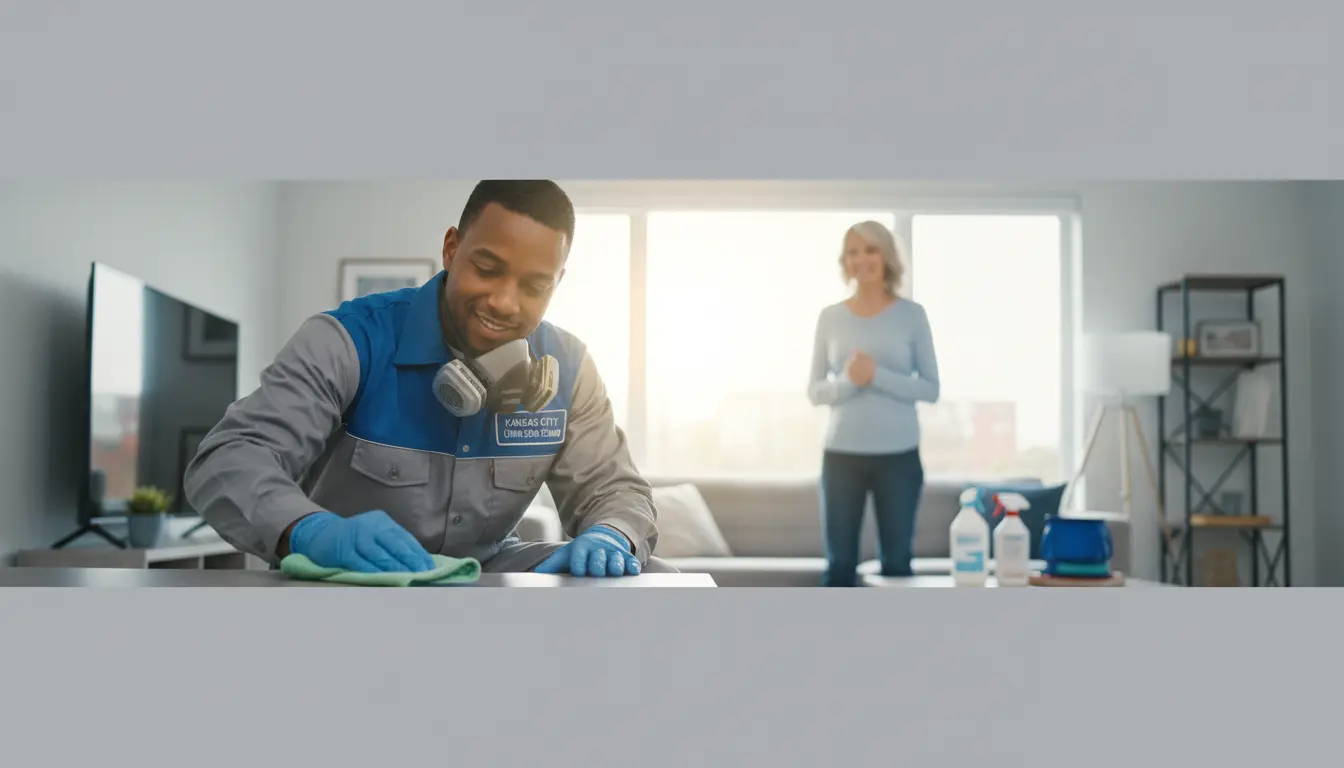
The technician’s boots made the only sound in the foyer—a soft, deliberate step on the hardwood. He paused, noting the faint discoloration along the baseboard where the old plaster met the floor, a sign that biological fluids had seeped deep into the porous material. In that moment, he knew the job would require more than surface cleaning; it would demand structural assessment and possibly removal of the affected sections. This is the reality of a professional crime scene cleanup service near me—a process far removed from what most people imagine when they think of cleaning.
When a traumatic event occurs in a Kansas City home or business, the aftermath is not just a matter of visible stains. Bloodborne pathogens, tissue, and other biohazards can linger in ways that are invisible to the naked eye, posing serious health risks to anyone who enters the space. Professional remediation goes beyond janitorial work; it is a scientifically grounded, regulated process designed to restore the environment to a safe, habitable state. Understanding what’s included in a professional crime scene cleanup service near me can help property owners make informed decisions during a difficult time, ensuring both safety and peace of mind.
The Technical Process of Professional Biohazard Remediation
Every professional cleanup begins with a thorough risk assessment. The technician evaluates the scene to identify all contaminated areas, including those that may not be immediately visible. This step is critical because biological materials can migrate through porous surfaces, into HVAC systems, or behind walls. Once the assessment is complete, the team establishes a containment zone using negative air pressure machines and plastic barriers. This prevents airborne pathogens from spreading to unaffected areas of the property.
Personal protective equipment (PPE) is donned according to OSHA Bloodborne Pathogens Standard 29 CFR 1910.1030. This includes full-body suits, respirators, face shields, and puncture-resistant gloves. The next phase involves the physical removal of all biohazardous waste, which is placed into specially marked, leak-proof containers for disposal at an authorized facility. Following removal, the area undergoes a rigorous cleaning with EPA-registered disinfectants and enzyme treatments that break down organic matter at a molecular level. Adenosine triphosphate (ATP) fluorescence testing is then used to verify that all biological residues have been eliminated. This scientific method measures the presence of ATP from living cells, ensuring the surface is truly sterile.
In Kansas City, the local climate adds another layer of complexity. The region’s humid summers and cold winters can accelerate biological degradation and odor migration. Moisture from high humidity can cause porous materials to remain damp, fostering microbial growth. Professional remediation teams in the metro area must account for these variables, often using industrial-grade dehumidifiers and thermal fogging to neutralize odors that have penetrated deep into the structure. This is not a one-size-fits-all process; it requires adaptation to the specific conditions of each property.
Professional Remediation vs. Standard Janitorial Cleaning
| Feature / Metric | Professional Biohazard Remediation | Standard Residential Cleaning |
|---|---|---|
| Regulatory Compliance | Follows OSHA, EPA, DOT, and IICRC S540 standards | No biohazard-specific regulations |
| Pathogen Elimination | ATP testing and EPA-registered disinfectants | Household cleaners; no verification |
| Structural Assessment | Identifies hidden seepage and necessary material removal | Surface-level only |
| Waste Disposal | Specialized containers and authorized medical waste disposal | Normal trash pickup (illegal for biohazards) |
| Odor Elimination | Thermal fogging, ozone treatment, enzyme-based deodorizers | Air fresheners (ineffective) |
| Cross-Contamination Prevention | Negative air pressure, HEPA filtration, containment barriers | No containment measures |
Expert Insights from a Certified Specialist
With over a decade of field experience in Kansas City, I have identified three diagnostic tips that often go overlooked by property owners. First, hidden biological seepage is common in older homes with plaster walls. The material acts like a sponge, drawing blood or fluids upward through capillary action. A technician must use moisture meters and thermal imaging to detect this. Second, porous materials like carpet, drywall, and untreated wood should almost always be removed rather than cleaned. The IICRC S540 standard states that porous materials contaminated with blood or other potentially infectious materials cannot be reliably sanitized and must be discarded. Third, maintaining negative pressure throughout the remediation process is non-negotiable. Without it, airborne pathogens can travel through the home, contaminating furniture and HVAC systems.
Common mistakes property owners make include using household bleach on biological matter. Bleach is not effective against all pathogens and can actually fix proteins to surfaces, making them harder to remove. Another mistake is waiting for the odor to dissipate naturally. Odors from decomposition are caused by volatile organic compounds that persist long after visible stains are gone. Professional odor elimination services use specialized equipment to neutralize these compounds. Finally, allowing untrained personnel to enter the scene before professional cleanup can lead to cross-contamination and legal liability. The hidden costs of DIY crime scene cleanup can include long-term health risks for family members and structural damage that reduces property value.
Pricing: What to Expect
- Standard site mobilization fees typically range from $500 to $1,500, covering travel to the property within the Kansas City metro area and setup of containment equipment.
- Hourly remediation rates for trained technicians generally fall between $150 and $300 per hour, depending on the complexity of the scene and the level of PPE required.
- Itemized costs for specialized disposal of biohazardous waste can add $200 to $800, as this waste must be transported to an authorized incineration facility.
Three primary factors influence the total cost. The extent of structural material replacement needed—such as removing and replacing drywall, flooring, or cabinetry—is a major driver. The total volume of biohazardous waste also matters; larger scenes require more disposal containers and longer cleanup times. Lastly, the necessity for specialized HVAC decontamination, especially if the ventilation system has been contaminated, can significantly increase the final bill. For a clearer picture, it is wise to consult a provider who offers transparent estimates and can explain what insurance covers for crime scene cleanup in Kansas City.
Safety and Standards: Certifications That Matter
Professional crime scene cleanup companies adhere to a strict set of certifications and protocols. The IICRC S540 standard for trauma and crime scene cleanup is the industry benchmark. Technicians must be certified in this standard to ensure they follow best practices for containment, cleaning, and waste disposal. Additionally, OSHA’s Bloodborne Pathogens Standard requires employers to implement an exposure control plan, provide appropriate PPE, and offer hepatitis B vaccinations to employees. Without these certifications, a cleanup crew may not be operating legally or safely.
The practical importance of these certifications cannot be overstated. For example, improper disposal of biohazardous waste can lead to fines from the Missouri Department of Natural Resources and potential lawsuits. More critically, a poorly cleaned scene can leave behind hepatitis B, HIV, or other pathogens that pose a risk to future occupants. Property owners who hire uncertified cleaners are gambling with their health and their property. That is why choosing a company that follows the ultimate guide to crime scene cleanup standards is essential.
Frequently Asked Questions About Crime Scene Cleanup
What is the difference between crime scene cleanup and standard cleaning?
Crime scene cleanup involves the removal of blood, tissue, and other potentially infectious materials. Standard cleaning does not address biohazards or follow the strict regulatory protocols required for pathogen elimination. Professional remediation also includes structural assessment, odor removal, and verification testing to ensure the area is safe for reoccupancy. In Kansas City, companies must comply with both state and federal regulations that standard cleaners are not equipped to handle.
How long does a professional crime scene cleanup take?
The duration depends on the size of the scene, the extent of contamination, and the type of surfaces involved. A small, contained area may take four to six hours, while a large scene involving multiple rooms can require several days. For a detailed breakdown, see our article on how long professional cleanup takes in the KC area. Factors like the need for structural drying or HVAC decontamination can extend the timeline.
Is crime scene cleanup covered by homeowners insurance?
Many homeowners insurance policies cover crime scene cleanup under the “additional living expenses” or “property damage” clauses. However, coverage varies widely. It is important to contact your insurance provider immediately and work with a cleanup company that can help document the process for claims. You can learn more about Kansas City crime scene cleanup and what insurance covers.
Can I clean a crime scene myself to save money?
Attempting to clean a crime scene yourself is dangerous and often illegal. Bloodborne pathogens can survive on surfaces for days or weeks. Without proper PPE and disposal methods, you risk exposure to diseases. Additionally, improper cleaning can leave behind biohazards that later cause health issues. The hidden costs of DIY crime scene cleanup include potential medical bills, legal penalties, and decreased property value. It is always safer and more effective to hire professionals.
Professional Biohazard Remediation in Kansas City
When tragedy strikes, the last thing a family should worry about is the safety of their home. Professional crime scene cleanup services are designed to handle every aspect of site restoration with technical precision and compassionate discretion. From the initial risk assessment to final ATP testing, every step is performed with the highest regard for health, safety, and regulatory compliance. In Kansas City, where the climate and older building materials pose unique challenges, expertise matters even more.
Kansas City Crime scene cleanup stands as the most practical and reliable choice for property owners seeking thorough, compliant, and respectful service. Our team holds IICRC and OSHA certifications, uses state-of-the-art equipment, and understands the local landscape. We are committed to restoring your space so you can begin the process of healing. Contact us today for a confidential consultation and let us take the burden off your shoulders.