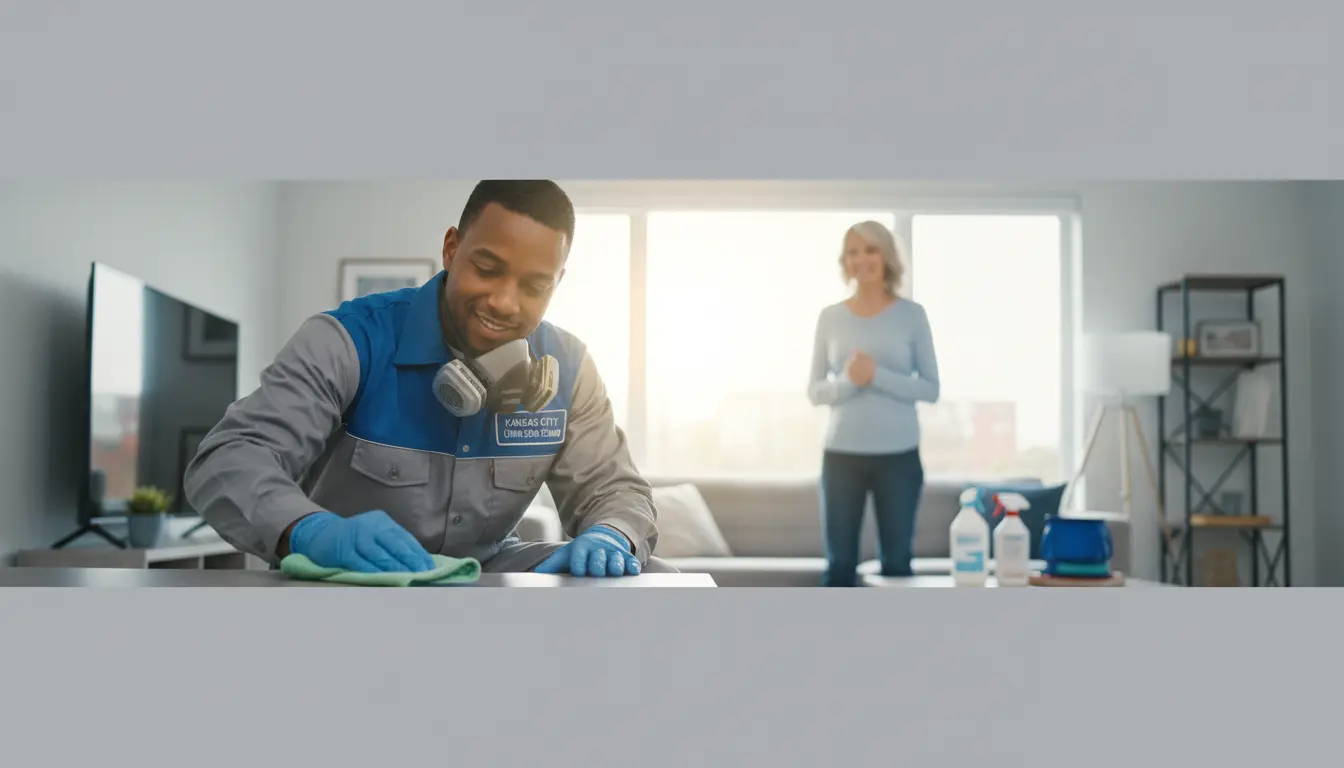
Most property owners assume that once law enforcement clears the scene, the property is safe to re-enter. That assumption could not be more dangerous. Even after the last evidence marker is removed, biological hazards, bloodborne pathogens, and chemical residues remain embedded in the structure. The true work of restoring a property after a crime scene incident begins only after the officers leave. In Kansas City, where historic homes in neighborhoods like Scarritt and Pendleton Heights present unique material challenges, the gap between a cleared scene and a truly safe environment can be vast. This step-by-step guide to restoring a property after a crime scene incident explains why professional biohazard remediation is not optional — it is the only path that protects your health, your property value, and your peace of mind.
Kansas City Crime scene cleanup provides the technical expertise and regulatory compliance required to turn a contaminated site back into a habitable space. Our team follows strict IICRC S540 standards, uses hospital-grade disinfectants, and understands how the region’s humid summers and freezing winters affect biological decay and odor migration. Below, we break down every phase of the restoration process so you know exactly what to expect and why each step matters.
Step 1: Initial Risk Assessment and Containment
The first hour on site is the most critical. A certified technician conducts a thorough visual inspection using adenosine triphosphate (ATP) testing devices to identify invisible biological matter. In Kansas City, where many homes were built in the mid-20th century using porous materials like plaster and unsealed wood, blood and other fluids can seep deep into structural cavities. We establish a containment zone using negative air machines and heavy‑duty plastic sheeting to prevent cross-contamination to unaffected areas of the property. This step alone can reduce airborne pathogen levels by over 99% before any cleaning begins, according to the IICRC S540 standard.
At this stage, we also document the scene with photographs and written notes for insurance purposes. Many property owners are shocked to learn that standard homeowners’ policies often exclude biohazard cleanup, but our team helps navigate the claims process — as detailed in our guide on what insurance covers for crime scene cleanup in Kansas City. Proper documentation ensures you receive the maximum allowable reimbursement for structural repairs and hazardous waste disposal.
Step 2: Deployment of Personal Protective Equipment and Biohazard Removal
Before any physical cleaning occurs, technicians suit up in Level B personal protective equipment (PPE): Tyvek suits, double‑gloved hands, full‑face respirators with HEPA filters, and chemical‑resistant boots. This gear is not optional — it protects the worker from bloodborne pathogens such as hepatitis B, hepatitis C, and HIV, which can remain viable on surfaces for days under the right conditions. In Missouri’s humid summer climate, biological matter can liquefy and spread more quickly, making rapid response essential.
Physical removal involves carefully extracting all biohazardous materials — blood‑soaked carpeting, upholstery, drywall, and insulation — using specialized forensic cleaning tools such as stainless steel scrapers, absorbent pads, and enzymatic cleaners that break down protein‑based stains at a molecular level. Every piece of removed material is placed in red biohazard bags, sealed, and later incinerated at an authorized medical waste facility. Our biohazard cleanup services follow these exact protocols to ensure no secondary contamination occurs.
Step 3: Structural Decontamination and Disinfection
Once all visible biological matter is gone, the real decontamination begins. We apply EPA‑registered hospital‑grade disinfectants with specific contact times — typically 10 to 15 minutes — to kill all viruses, bacteria, and fungi. For porous surfaces like untreated wood or drywall, we use a combination of antimicrobial fogging and surface wiping. In historic Kansas City homes, we often encounter lathe‑and‑plaster walls that can trap biological fluids behind their surface; in these cases, we may need to perform targeted demolition to reach hidden contamination.
Temperature and humidity play a critical role here. During Kansas City’s hot, humid summers, biological material decomposes rapidly, releasing volatile organic compounds (VOCs) that cause persistent odors. We deploy industrial‑grade ozone generators or hydroxyl generators to neutralize these odors at the molecular level. After treatment, we conduct ATP swab tests to verify that all surfaces meet cleanliness standards below 10 relative light units (RLU) — a level equivalent to a hospital operating room.
Comparison: Professional Remediation vs. Standard Cleaning
Many property owners ask why they cannot simply mop up the mess themselves. The table below highlights the critical differences between professional biohazard remediation and a typical janitorial approach.
| Feature / Metric | Professional Biohazard Remediation | Standard Residential Cleaning |
|---|---|---|
| Regulatory Compliance | OSHA 29 CFR 1910.1030, EPA, IICRC S540 | None |
| Pathogen Elimination | ≥99.99% kill rate via EPA‑registered disinfectants | Household bleach (ineffective against many bloodborne pathogens) |
| Structural Assessment | ATP testing, moisture mapping, thermal imaging | Visual inspection only |
| Waste Disposal | Certified medical waste incineration | Regular trash (illegal and dangerous) |
Expert Insights: Three Diagnostic Tips from a Certified Specialist
Tip 1: Never Trust a Dry Surface. Blood and other bodily fluids can wick into subflooring and behind baseboards, leaving no visible trace on the surface. In Kansas City’s older homes, the lack of vapor barriers allows fluids to migrate into crawlspaces. A simple moisture meter or thermal camera can reveal hidden contamination that would otherwise cause long‑term odor and health issues. Always test porous materials before declaring an area clean.
Tip 2: Porous Materials Almost Always Require Removal. Carpet, padding, drywall, and insulation can never be fully disinfected if they have been soaked through. The IICRC S540 standard states that any porous material with visible biological saturation must be removed and replaced. Attempting to clean these materials only drives pathogens deeper into the structure, creating a reservoir for future microbial growth.
Tip 3: Negative Pressure Is Non‑Negotiable. Without a properly sealed containment zone and negative air pressure, airborne pathogens can travel throughout the entire building. In multi‑unit buildings common in the Kansas City metro area, this can contaminate neighboring units and put other occupants at risk. Always verify that the restoration crew uses a HEPA‑equipped negative air machine with a minimum of 6 air changes per hour.
Common Mistakes Property Owners Make
Mistake #1: Using household bleach to clean blood. Bleach corrodes surfaces and loses its disinfectant power within 24 hours when exposed to organic matter. Worse, it can create toxic fumes when mixed with other cleaning agents. The proper approach is to use an EPA‑registered disinfectant specifically designed for bloodborne pathogens, with a verified contact time.
Mistake #2: Waiting for odors to dissipate naturally. Odors are a sign that biological material is still decomposing. In Kansas City’s humid climate, a small amount of residual blood can cause a smell that lingers for months and attracts insects. Professional odor removal using ozone or hydroxyl generators is the only effective method.
Mistake #3: Allowing untrained personnel (including family members) to enter the site before remediation. This exposes them to pathogens and can also contaminate evidence. Even after law enforcement releases the scene, the area is still a biohazard zone. Only trained, vaccinated professionals should enter until the remediation is complete.
Pricing Considerations for Crime Scene Cleanup
- Site mobilization fee: Usually a flat rate of $300–$600 to cover emergency response and initial containment setup, regardless of the time of day.
- Hourly remediation rates: Typically range from $200 to $450 per hour for a two‑person crew, depending on the complexity of the scene and the level of PPE required.
- Waste disposal costs: Disposal of biohazardous waste is charged by the pound or by the container. A standard 50‑gallon biohazard drum costs $150–$300 to incinerate.
Several factors influence the final price. First, the extent of structural material replacement — if drywall, flooring, or insulation must be removed and replaced, those costs add up quickly. Second, the total volume of biohazardous waste directly affects disposal fees. Third, if the HVAC system has been contaminated, specialized cleaning of ducts and coils may be necessary, adding $500–$1,500 to the total. For a detailed breakdown of what to expect, read our article on the hidden costs of DIY crime scene cleanup.
Safety Standards and Certifications
Every technician at Kansas City Crime scene cleanup holds current certifications in OSHA Bloodborne Pathogens (29 CFR 1910.1030), IICRC Trauma and Crime Scene Cleanup, and hazardous waste operations (HAZWOPER). These certifications ensure that our team understands not only how to clean but also how to protect themselves and the property from cross-contamination. We follow strict protocols for decontaminating equipment after each job, and we maintain a chain‑of‑custody for all medical waste to comply with Missouri Department of Natural Resources regulations.
Beyond the legal requirements, these standards matter for your health. Bloodborne pathogens can survive for days on surfaces, and improperly cleaned scenes have been linked to outbreaks of hepatitis B in residential settings. By hiring a certified team, you eliminate that risk and restore your property to a condition that is safe for habitation. If you are unsure whether your situation requires professional help, our guide on five signs you need professional biohazard cleanup now can help you decide.
Frequently Asked Questions About Crime Scene Remediation
How long does a typical crime scene cleanup take in Kansas City?
Duration varies widely depending on the size of the affected area and the extent of contamination. For a single room with moderate blood saturation, a professional crew can often complete the remediation in 4 to 8 hours. Larger scenes involving multiple rooms or significant structural damage may require 2 to 3 days. In Kansas City’s older homes, where materials are more porous and fluid migration is common, we often need extra time for moisture mapping and targeted demolition. Our article on how long professional cleanup takes in the KC area provides more context.
Is it safe to stay in the property during cleanup?
No. Even with containment measures in place, the area under remediation is considered a biohazard zone. Technicians wear full PPE, and negative air machines create constant airflow that can spread microscopic particles. The safest course is to vacate the property until the final ATP test confirms cleanliness. For homes with attached units, we coordinate with property managers to ensure neighboring occupants are also temporarily relocated if needed.
What happens to furniture and personal belongings that were not directly contaminated?
All items in the affected room are treated as potentially contaminated. Non‑porous items like metal or glass can be disinfected and returned. Porous items such as upholstered furniture, mattresses, and clothing that were within the same airspace may be deodorized and cleaned using specialized equipment, but if they show any signs of biological material, they must be disposed of. Our personal property disposal services handle this process with sensitivity and proper documentation.
Will my insurance cover the full cost of professional remediation?
Coverage depends entirely on your policy. Many standard homeowners’ policies exclude intentional acts (such as homicide) but may cover accidental deaths or unattended deaths. Some policies include a separate rider for biohazard cleanup. We recommend contacting your insurance company as soon as possible and requesting a copy of your policy declarations. Our team can provide detailed invoices and documentation to support your claim, and we have helped many Kansas City property owners secure reimbursement. For more information, see our guide on insurance coverage for crime scene cleanup.
Can I clean the scene myself if I wear gloves and a mask?
We strongly advise against it. Household cleaners are not formulated to kill bloodborne pathogens, and improper disposal of biohazard waste is illegal in Missouri. Furthermore, without a negative air machine and proper containment, you risk contaminating the entire property and exposing your family to disease. The short‑term savings are far outweighed by the long‑term health and legal risks. For a real‑world perspective, read our expose on the hidden costs of DIY crime scene cleanup.
Professional Biohazard Remediation in Kansas City
Restoring a property after a crime scene incident is not a task for general contractors or well‑meaning family members. It requires specialized training, certified equipment, and a deep understanding of local building materials and climate conditions. Kansas City Crime scene cleanup brings all of that to every job, from the initial risk assessment to the final ATP verification. We serve neighborhoods across the metro area, including Scarritt, Pendleton Heights, and Ivanhoe, and we are available 24/7 for emergencies.
When you choose us, you get more than a clean surface — you get a property that is structurally safe, odor‑free, and compliant with all health regulations. Our technicians treat every scene with the respect and discretion it deserves, and we work closely with insurance companies to minimize your financial burden. If you need help restoring your property after a traumatic event, contact us today. We are here to bring your home back to safety.