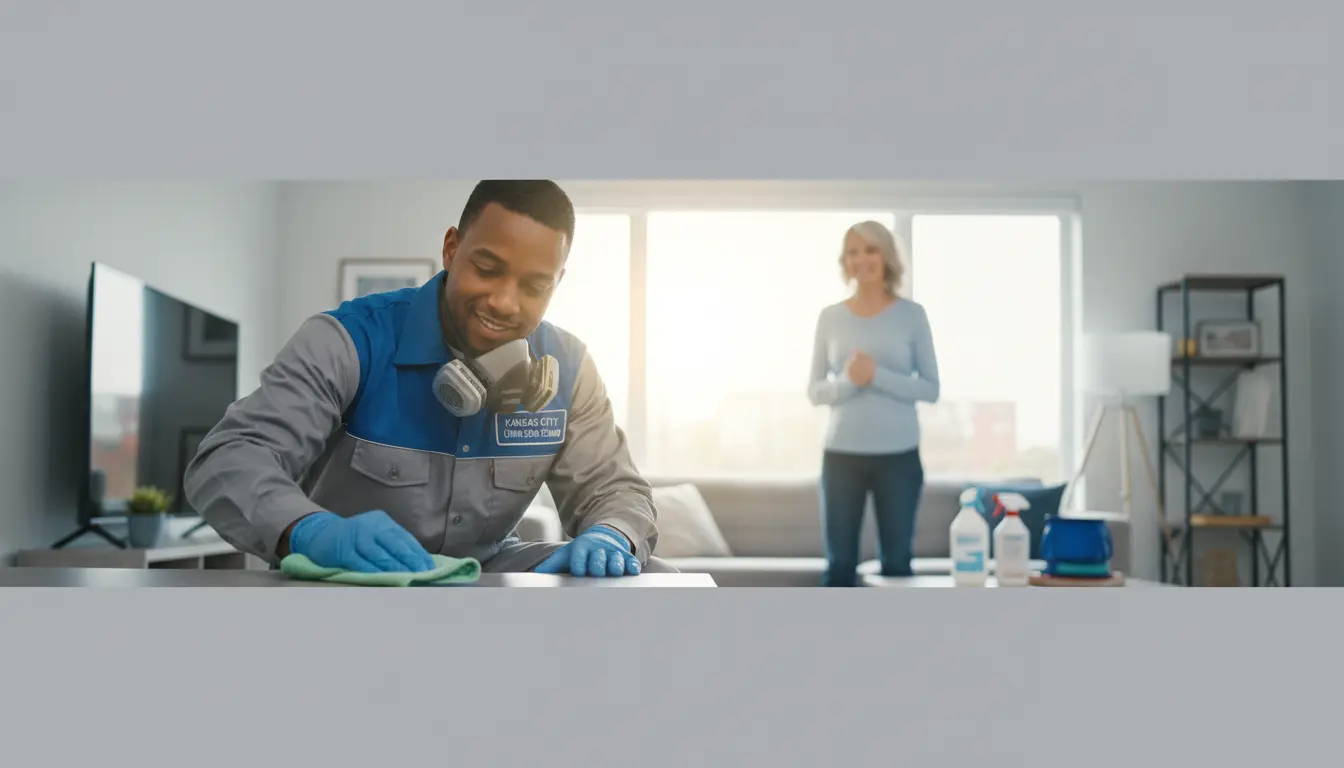
Crime scene cleanup, technically known as biohazard remediation, is the systematic process of removing, cleaning, and decontaminating potentially infectious materials from a location where a traumatic event—such as a homicide, suicide, unattended death, or industrial accident—has occurred. It is not a standard janitorial service. Where a routine cleaning crew might wipe down surfaces and empty trash, professional remediation involves the safe removal of blood, bodily fluids, tissue, and other biohazards, followed by chemical disinfection, structural decontamination, and verification testing to ensure the space is safe for reoccupation. In Kansas City, where homes and businesses range from historic mid-century structures to modern commercial buildings, the need for this specialized service is often unexpected, but the consequences of improper handling are severe.
When a traumatic incident happens inside a residence or commercial property in the Kansas City metro area, the scene is not just a mess—it is a biological hazard zone. Bloodborne pathogens such as hepatitis B, hepatitis C, and HIV can survive on surfaces for days or even weeks, especially in the humid Midwestern summers or the cold, dry winters that affect biological degradation rates. Property owners who attempt to clean up themselves or hire an unqualified cleaner risk exposing themselves, their families, and future tenants to life-threatening diseases. This is precisely why understanding how crime scene cleanup restores safe living and working environments goes beyond simple aesthetics—it is a matter of public health, legal compliance, and long-term property value.
Kansas City Crime scene cleanup brings decades of combined experience, IICRC S540 certification, and a deep understanding of local regulations to every job. We do not just make a scene look clean; we make it biologically safe, using EPA-registered disinfectants, industrial-grade equipment, and rigorous testing protocols. Whether you are a property manager dealing with a drug-related incident, a family grieving a loved one, or a business owner facing an occupational accident, our team is available 24/7 to restore your space with discretion and technical precision.
Understanding the Full Remediation Process
Professional biohazard remediation follows a strict, science-based workflow that is designed to eliminate pathogens, prevent cross-contamination, and restore the structural integrity of the affected area. The process begins with a comprehensive risk assessment. Before any cleaning takes place, the lead technician evaluates the scene for the type and volume of biohazardous materials, the porosity of surfaces, the presence of airborne contaminants, and any structural damage. This assessment informs the exact protocol, which includes the selection of appropriate personal protective equipment (PPE) such as Tyvek suits, N95 respirators, nitrile gloves, and face shields.
Next, the team establishes containment zones. Using negative air machines fitted with HEPA filters, the affected area is placed under negative pressure to prevent airborne particles—including dried blood dust, fungal spores, and viral particles—from escaping into adjacent rooms or HVAC systems. This is particularly critical in Kansas City’s older homes, where shared ductwork and open floor plans can quickly spread contaminants. Once containment is in place, physical removal begins. All visible biohazards, including saturated carpet, padding, drywall, and insulation, are carefully cut out, double-bagged in biohazard bags, and transported to an authorized medical waste incinerator.
After the bulk material is removed, the team performs a thorough cleaning using hospital-grade disinfectants that are proven to kill bloodborne pathogens. The cleaning is followed by adenosine triphosphate (ATP) testing. This test measures the presence of organic residue on a surface; if the ATP level exceeds the industry threshold, the area is recleaned and retested until it passes. Finally, the area may undergo structural encapsulation—applying antimicrobial sealants to bare wood or concrete to prevent future microbial growth. In Kansas City, where seasonal humidity can exceed 90% in summer, encapsulation is a vital step to prevent mold and odor recurrence.
Professional Remediation vs. Standard Janitorial Cleaning
Many property owners underestimate the complexity of crime scene cleanup. A standard cleaning crew lacks the training, equipment, and legal authorization to handle biohazardous waste. The table below highlights the critical differences.
| Feature/Metric | Professional Biohazard Remediation | Standard Residential Cleaning |
|---|---|---|
| Regulatory Compliance | OSHA 29 CFR 1910.1030, EPA, DOT, and local health department regulations. | No biohazard-specific compliance; may violate hazardous waste disposal laws. |
| Pathogen Elimination | EPA-registered disinfectants with verified kill claims; ATP testing for verification. | Household bleach or general cleaners, which are ineffective against dried bloodborne pathogens. |
| Structural Assessment | Evaluation of porous vs. non-porous materials; removal of affected drywall, subflooring, and insulation. | No structural assessment; may leave hidden contamination. |
| Waste Disposal | Licensed medical waste transport and incineration. | Illegal disposal in regular trash, risking fines and public health. |
| Insurance Handling | Detailed documentation for insurance claims; works with adjusters. | No documentation; may invalidate insurance coverage. |
Source: IICRC S540 Trauma and Crime Scene Cleanup Standard
Expert Insights: What Professionals Look For
Experienced technicians know that visible blood is only the beginning. Here are three advanced diagnostic tips we use to ensure complete remediation.
Detecting Hidden Biological Seepage
Blood and other fluids can seep into subflooring, behind baseboards, and into wall cavities. In Kansas City’s mid-century homes, where floors are often hardwood over plywood, the capillary action of wood can draw fluids several feet from the original spill. We use moisture meters and thermal imaging cameras to locate hidden saturation. If left untreated, these areas become breeding grounds for bacteria and can cause persistent odors that no amount of surface cleaning will eliminate.
Why Porous Materials Require Replacement, Not Cleaning
Drywall, carpet, padding, and upholstery are porous. When blood soaks into these materials, it is impossible to remove all pathogens through cleaning alone. The only reliable solution is removal and replacement. Cleaning a blood-stained carpet with a steam cleaner, for example, may actually spread pathogens deeper into the fibers and pad. We always recommend removal of porous materials within a 18-inch radius of the affected area, and often further if the spill is large.
The Importance of Negative Pressure to Prevent Cross-Contamination
Airborne pathogens, including dried blood particles and viral aerosols, can travel through HVAC systems. In a typical Kansas City home, the forced-air furnace can recirculate contaminants throughout the entire house. Setting up negative air pressure in the work zone ensures that any airborne particles are captured by HEPA filters before they escape. This is not a step that can be skipped, even for small scenes.
Common Mistakes Property Owners Make
One of the most frequent errors we see is using household bleach on biological matter. Bleach is corrosive and loses efficacy in the presence of organic material. It also cannot penetrate dried blood clots. The result is a surface that appears clean but still harbors live pathogens. Another mistake is waiting for the odor to dissipate naturally. Odors are caused by volatile organic compounds from decomposing tissue and bacteria. Waiting can allow contamination to spread and make the cleanup more expensive. Finally, allowing untrained personnel—including family members or employees—into the scene before remediation exposes them to bloodborne pathogens and can lead to serious health consequences. The hidden costs of DIY crime scene cleanup include not only health risks but also potential property damage and legal liability.
Pricing for Crime Scene Cleanup in Kansas City
Costs for professional biohazard remediation vary widely based on the specifics of each scene. Below are common pricing structures and factors that influence the final estimate.
- Standard site mobilization fee: Most companies charge a flat fee to cover travel, equipment setup, and initial assessment. For Kansas City, this typically ranges from $250 to $500, depending on the distance from the service base.
- Hourly remediation rates: Professional technicians bill at rates between $100 and $200 per hour per technician. A typical scene might require two to four technicians working for several hours to several days.
- Specialized disposal fees: Biohazardous waste must be transported and incinerated by licensed handlers. Costs vary by weight and volume, often adding $200 to $1,000 to the total.
Three major factors influence cost: the extent of structural material replacement (e.g., removing drywall, subflooring, or cabinets), the total volume of biohazardous waste, and the need for specialized HVAC decontamination. For example, a scene in a home with a forced-air system may require duct cleaning and HEPA filter replacement, adding significant expense. Insurance coverage for crime scene cleanup often covers these costs under homeowner’s or property insurance policies, but it is crucial to verify coverage before proceeding.
Safety and Industry Standards
Professional crime scene cleanup is governed by rigorous standards to protect workers, occupants, and the environment. Kansas City Crime scene cleanup adheres to the IICRC S540 standard for trauma and crime scene cleanup, which sets the benchmark for training, equipment, and procedures. Our technicians are certified in bloodborne pathogen awareness under OSHA’s Bloodborne Pathogens Standard (29 CFR 1910.1030), which mandates proper use of PPE, decontamination methods, and exposure control plans.
We also follow the Environmental Protection Agency’s guidelines for antimicrobial pesticide use, ensuring that only EPA-registered disinfectants are applied. Additionally, all waste is managed through authorized medical waste disposal services that comply with Missouri Department of Natural Resources and Jackson County regulations. This compliance is not just bureaucratic—it directly protects the health of everyone who enters the property after remediation. For property owners, hiring a certified team means peace of mind that the restoration is thorough and legally defensible.
Frequently Asked Questions About Crime Scene Cleanup
What is the difference between crime scene cleanup and forensic cleaning?
Forensic cleaning is a subset of crime scene cleanup that specifically focuses on removing biological evidence left after a crime. While law enforcement may use forensic techniques to collect evidence, the cleanup team’s role is to safely remove all biohazards and restore the environment. Both require specialized training, but crime scene cleanup encompasses a broader range of scenarios, including unattended deaths, suicides, and industrial accidents.
How long does a typical crime scene cleanup take?
The duration depends on the size of the scene, the type of materials involved, and the extent of contamination. A small room with a single incident may take 4–8 hours, while a large scene involving multiple rooms or significant decomposition could require several days. In Kansas City, we often factor in travel time across the metro area and the need for additional drying time in humid conditions. Our cleanup timeline guide provides more specific estimates.
Is it safe to stay in the home during the cleanup?
In most cases, the affected area is isolated and placed under negative pressure, so the rest of the home can remain occupied. However, if the contamination has spread to the HVAC system or if the scene is large, it is safer to vacate the property until the remediation is complete. Our team will provide a clear safety evaluation and recommend temporary relocation if necessary.
What should I do if I discover a crime scene or unattended death in my property?
Do not touch anything. Avoid disturbing the area, and do not attempt to clean. Contact law enforcement if they are not already on site, and then call a professional cleanup service. The faster you act, the less time contaminants have to spread and the lower the risk of permanent staining or odor. Kansas City Crime scene cleanup is available 24/7 for emergencies, and we can often dispatch a team within hours.
Will my insurance cover the cost of cleanup?
Many homeowner’s and commercial property insurance policies include coverage for biohazard remediation, especially when the incident is accidental or sudden. Some policies may require a specific rider. We recommend contacting your insurance provider and asking about coverage for “crime scene cleanup” or “biohazard remediation.” We can also provide documentation to assist with your claim. For more details, see our insurance guide.
Professional Biohazard Remediation in Kansas City
Restoring a property after a traumatic event requires more than cleaning supplies and a strong stomach. It demands technical expertise, compassion, and a commitment to safety. Kansas City Crime scene cleanup has been serving the metro area for years, earning the trust of families, property managers, and businesses. Our technicians are certified, insured, and trained to handle the most challenging scenes, from unattended deaths in historic homes in Pendleton Heights to industrial accidents in North Kansas City. We understand the local climate, the regulatory landscape, and the emotional weight of these situations.
When you choose us, you are not just getting a cleanup—you are getting a restoration that allows you to move forward. Whether you are dealing with a recent incident or a property that has been vacant for months, we provide discreet, professional, and thorough remediation. Contact us today for a confidential assessment and a clear path back to a safe living or working environment.