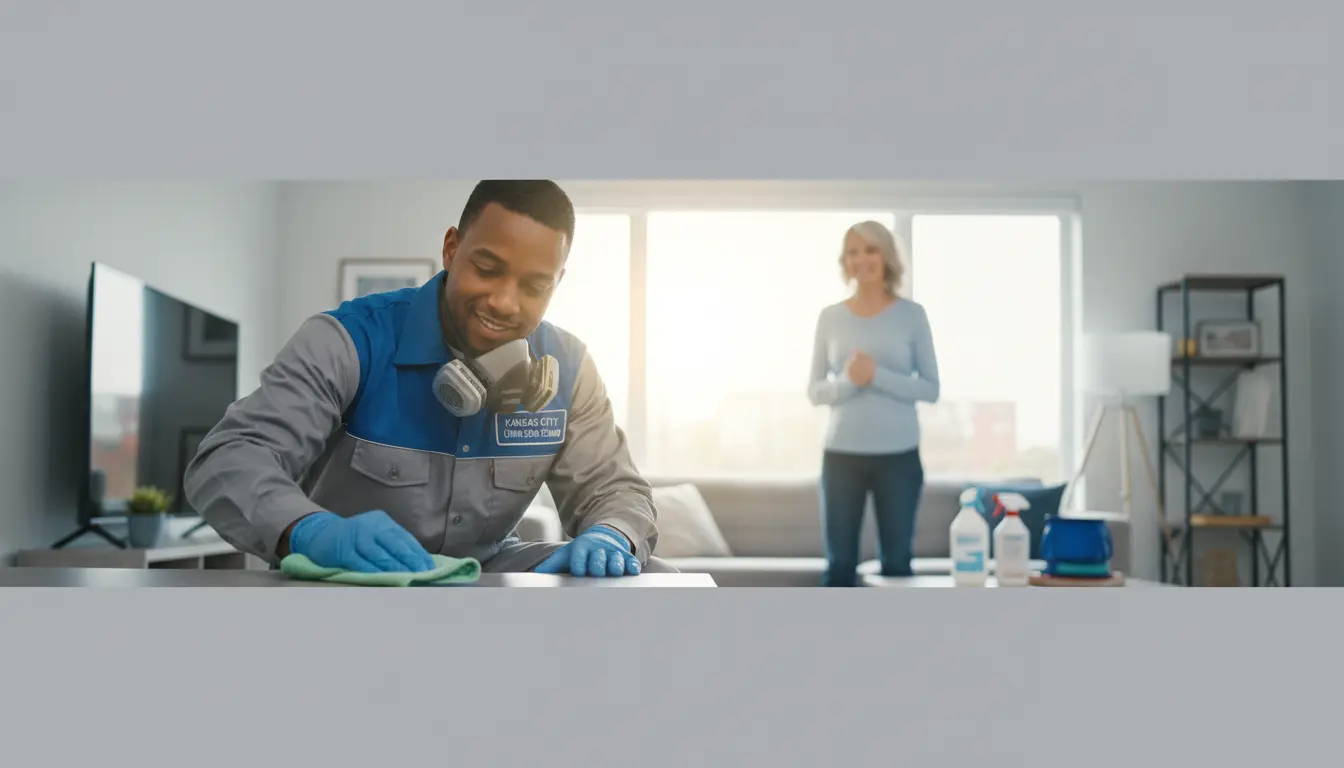
Crime scene cleanup, often referred to as trauma scene remediation or biohazard restoration, is the systematic process of safely removing biological hazards, contaminants, and associated damage from a location where a violent crime, unattended death, accident, or suicide has occurred. It is a specialized field that is frequently mistaken for standard janitorial cleaning or even simple housekeeping, a misconception that can lead to severe health risks, regulatory violations, and significant property devaluation for landlords and property managers in Kansas City. The distinction is critical: while general cleaning focuses on visible dirt and routine sanitation, crime scene cleanup addresses bloodborne pathogens, decomposed tissue, and potentially infectious materials under strict federal and state guidelines, requiring advanced training, industrial equipment, and proper disposal protocols that far exceed the capabilities of a typical cleaning crew.
For landlords and property managers in the Kansas City metro area, the aftermath of a traumatic event on your rental property presents a unique set of challenges that extend beyond emotional distress. You are responsible not only for restoring the physical unit to a habitable condition but also for ensuring the safety of future tenants, protecting your investment from long-term structural damage, and navigating complex insurance claims. The humid Midwestern summers and bitterly cold winters in Missouri can accelerate decomposition and odor migration, making timely, professional intervention essential. This is where a certified biohazard remediation specialist becomes your most valuable partner, providing the technical expertise and compassionate discretion required to manage these difficult situations effectively.
Understanding the Technical Process of Professional Remediation
Professional crime scene cleanup is a multi-phase, scientifically driven operation that begins the moment a call is placed. The first step is a comprehensive initial risk assessment conducted by a certified technician who evaluates the scope of the biohazardous material, the type of surfaces involved (e.g., drywall, hardwood flooring, concrete), and the potential for airborne contamination. This assessment dictates the level of personal protective equipment (PPE) required, which typically includes Tyvek suits, N100 respirators, face shields, and chemical-resistant gloves, ensuring that the remediation team is fully protected from bloodborne pathogens like Hepatitis B, Hepatitis C, and HIV.
Following the assessment, the physical removal of all biohazardous materials begins. This involves the careful extraction of blood-soaked carpeting, padding, drywall, insulation, and any other porous materials that have been saturated. These materials are double-bagged in six-millimeter, biohazard-labeled bags and prepared for transport to a licensed medical waste incinerator. The team then applies EPA-registered hospital-grade disinfectants and specialized enzyme treatments designed to break down organic matter at a molecular level. After the initial cleaning, a critical step called adenosine triphosphate (ATP) fluorescence testing is performed. This test uses a swab and a handheld device to measure the presence of organic material on surfaces; a reading below a specific threshold confirms that the area is microbiologically clean and safe for re-entry. Finally, the area may undergo structural encapsulation, where sealants are applied to non-porous surfaces to prevent any residual contaminants from becoming airborne.
Kansas City’s climate presents unique challenges during this process. The region’s high humidity and temperature fluctuations, especially from May through September, accelerate the decomposition of biological matter and can cause odors to permeate deeply into porous building materials. Professional remediation teams in Kansas City use industrial-grade negative air machines with HEPA filtration to create a negative pressure environment, preventing cross-contamination to other parts of the building and capturing airborne pathogens. This technical approach ensures that the property is not only visually clean but also scientifically safe for occupation, a standard that is simply unattainable through do-it-yourself methods or standard cleaning services.
Professional vs. Standard Cleaning: A Critical Comparison
To fully appreciate the necessity of professional biohazard remediation, it is helpful to compare it directly against a standard residential cleaning approach. The following table outlines the key differences across several critical metrics, based on the IICRC S540 Standard for Trauma and Crime Scene Cleanup.
| Feature / Metric | Professional Biohazard Remediation | Standard Residential Cleaning |
|---|---|---|
| Regulatory Compliance | Full compliance with OSHA 29 CFR 1910.1030, EPA waste disposal laws, and Missouri Department of Natural Resources regulations. | No compliance with biohazard-specific regulations; general cleaning only. |
| Pathogen Elimination | 99.99% reduction of bloodborne pathogens using EPA-registered disinfectants with validated contact times; verified with ATP testing. | Uses household cleaners like bleach, which can be ineffective on porous surfaces and may not achieve required kill rates. |
| Structural Assessment | Thorough evaluation for hidden seepage into subflooring, wall cavities, and HVAC systems; includes demolition of affected porous materials. | Cleans only visible surfaces; does not address sub-surface contamination or odor sources. |
| Waste Disposal | All contaminated materials are transported and incinerated by licensed medical waste disposal services, with a chain-of-custody documentation. | Materials are typically thrown in standard trash, which is illegal and dangerous. |
| Odor Removal | Uses ozone generators, hydroxyl machines, and thermal fogging to neutralize odors at the molecular level. | Relies on air fresheners that mask odors temporarily; does not eliminate the source. |
| Liability Protection | Provides documentation of remediation steps, ATP results, and waste disposal records, protecting landlords from future liability. | No documentation; property owner remains liable for any health or regulatory issues. |
Source: IICRC S540 Trauma and Crime Scene Cleanup Standard
Expert Insights for Landlords and Property Managers
As a Certified Senior Biohazard Remediation Specialist with years of experience in the Kansas City area, I have seen firsthand the consequences of well-intentioned but misinformed decisions. One of the most critical diagnostic tips is to always check for hidden biological seepage. Blood and other bodily fluids can wick through drywall and soak into insulation, baseboards, and even the subfloor beneath carpeting. A visual inspection is insufficient; a professional will use moisture meters and thermal imaging cameras to detect saturation that is not visible to the naked eye. This hidden contamination can lead to persistent odors, mold growth, and long-term health risks if not addressed.
Another essential point is that porous materials like drywall, carpet, and padding must almost always be removed and replaced rather than cleaned. The cellular structure of these materials traps biological matter and pathogens, making complete disinfection impossible. Attempting to clean them with bleach or other household products only creates a false sense of security. The consequences include ongoing microbial growth, foul odors that return, and potential liability if a future tenant contracts an illness. Finally, maintaining negative pressure is non-negotiable during remediation. Without it, airborne pathogens can travel through shared ventilation systems in multi-unit properties, exposing other tenants and creating a broader contamination issue that is far more costly to resolve.
Common mistakes property owners make include using household bleach on biological matter, which is not effective against all pathogens and can actually fix the stain while leaving the biohazard behind. Another frequent error is waiting for odors to dissipate naturally. In Kansas City’s humid climate, odors from decomposition will only intensify and become embedded in the structure, often requiring more extensive demolition later. Allowing untrained personnel, such as maintenance staff or well-meaning neighbors, into the site before professional remediation is also dangerous. They can inadvertently spread contaminants and expose themselves to serious health risks, increasing your legal and financial exposure.
Understanding Pricing Structures for Crime Scene Cleanup
- Standard site mobilization fees: These cover the cost of dispatching a certified team to your Kansas City property, typically ranging from $250 to $500, depending on the time of day and the distance from the service center. This fee includes the initial risk assessment and setup of containment equipment.
- Hourly remediation rates: Most professional biohazard cleanup companies charge by the hour per technician. Rates generally fall between $150 and $300 per hour, with a typical team of two to four technicians. The total hours depend heavily on the scope of the contamination and the square footage of the affected area.
- Specialized disposal costs: The disposal of biohazardous waste is a separate itemized cost, as it must be handled by a licensed medical waste transport service. This can add $200 to $800 to the total bill, depending on the volume of waste (measured in pounds) and the distance to the incineration facility.
Three primary factors influence the final cost. First, the extent of structural material replacement required—if contamination has seeped into subflooring or wall cavities, the cost increases due to demolition and reconstruction. Second, the total volume of biohazardous waste directly correlates with disposal fees. A single unattended death in a small apartment will generate less waste than a large-scale homicide scene. Third, the necessity for specialized HVAC decontamination can add significant cost. If airborne pathogens have entered the heating, ventilation, and air conditioning system, the entire ductwork may need to be cleaned and disinfected, which is a separate, highly technical process.
Safety Standards and Certifications You Should Know
Professional crime scene cleanup in Kansas City is governed by a strict framework of safety standards and certifications that ensure the process is both effective and legally compliant. The most important certification is from the Institute of Inspection, Cleaning and Restoration Certification (IICRC), which sets the industry standard for trauma and crime scene cleanup through its S540 standard. Technicians must complete rigorous training and pass examinations to become certified, demonstrating their understanding of bloodborne pathogen protocols, cleaning chemistry, and structural restoration. Additionally, all personnel must comply with the OSHA Bloodborne Pathogens Standard 29 CFR 1910.1030, which mandates proper use of PPE, exposure control plans, and hepatitis B vaccination programs for workers.
The practical importance of these standards cannot be overstated for landlords and property managers. Without proper certification and adherence to these protocols, you risk legal liability if a future tenant or worker becomes ill from residual contamination. Furthermore, insurance companies often require proof of professional remediation using IICRC-certified firms before they will approve claims for biohazard-related damage. Using a non-certified service or attempting DIY cleanup can void your insurance coverage and leave you financially responsible for the entire restoration process. In Kansas City, authorized waste management services must be used for disposal, and the chain-of-custody documentation provided by a certified company serves as your legal record that the property was restored safely and in compliance with all regulations.
Frequently Asked Questions About Crime Scene Cleanup
What exactly is crime scene cleanup, and how is it different from regular cleaning?
Crime scene cleanup, also known as biohazard remediation, involves the removal, cleaning, disinfection, and restoration of areas contaminated by blood, bodily fluids, and other potentially infectious materials. It is distinct from regular cleaning because it requires specialized training in handling bloodborne pathogens, the use of industrial-grade disinfectants and equipment, and strict adherence to OSHA and EPA regulations. Standard cleaning services are not equipped to handle the health risks or the structural damage associated with these events. Professional remediation ensures that all biological hazards are eliminated, not just covered up, protecting the health of future occupants and preserving property value.
How long does the professional cleanup process typically take in the Kansas City area?
The duration of a professional cleanup depends on several factors, including the size of the affected area, the extent of contamination, and the materials involved. For a standard single-room scene, the process typically takes between four and eight hours for the initial removal and disinfection. However, if structural components like subflooring or wall cavities are involved, the process may extend to one to three days, as it includes demolition, drying, and reconstruction. Kansas City Crime scene cleanup provides a detailed timeline after the initial assessment, ensuring that property managers can plan for tenant relocation and restoration scheduling effectively. You can learn more about typical timelines by reading our article on how long professional cleanup takes in the KC area.
What insurance coverage is available for crime scene cleanup, and how do I submit a claim?
Insurance coverage for crime scene cleanup varies depending on your policy. Many standard landlord insurance policies include coverage for biohazard remediation under the “vandalism” or “sudden and accidental” damage clauses, but it is essential to review your specific policy. We recommend contacting your insurance agent immediately after the event to confirm coverage. A professional remediation company can provide a detailed invoice and documentation, including ATP test results, which are often required for claim approval. For a comprehensive overview, refer to our guide on Kansas City crime scene cleanup and what insurance covers. We also assist property managers with the claims process, providing the necessary paperwork to streamline reimbursement.
Is it safe to stay in the property during the cleanup process?
In most cases, it is not safe for occupants to remain in the property during active biohazard remediation. The use of negative air pressure machines, chemical disinfectants, and the disturbance of contaminated materials creates a hazardous environment. We strongly advise all tenants and property managers to vacate the area until the process is complete and the property has been verified as safe through ATP testing. For multi-unit properties, we establish containment zones to prevent cross-contamination to adjacent units. Our team coordinates with property managers to ensure a safe and timely return, minimizing disruption to other tenants.
Professional Biohazard Remediation in Kansas City
Navigating the aftermath of a traumatic event on your rental property is a complex responsibility that demands technical expertise, regulatory knowledge, and compassionate professionalism. For landlords and property managers in Kansas City, choosing a certified biohazard remediation service is not just a matter of convenience—it is a critical step in protecting your investment, ensuring the health and safety of future tenants, and fulfilling your legal obligations. The difference between a property that is truly restored and one that appears clean but harbors hidden dangers comes down to the science and standards applied during the remediation process.
Kansas City Crime scene cleanup stands as the region’s most trusted provider, combining IICRC-certified training with a deep understanding of local conditions, from the challenges of historic mid-century construction to the demands of emergency response across the metro area. Our team is available 24/7 to respond with discretion and speed, ensuring that your property is restored to a safe, habitable condition. When the unexpected occurs, rely on the experts who are committed to restoring not just your property, but your peace of mind. Contact us today to discuss your situation and learn how we can help.