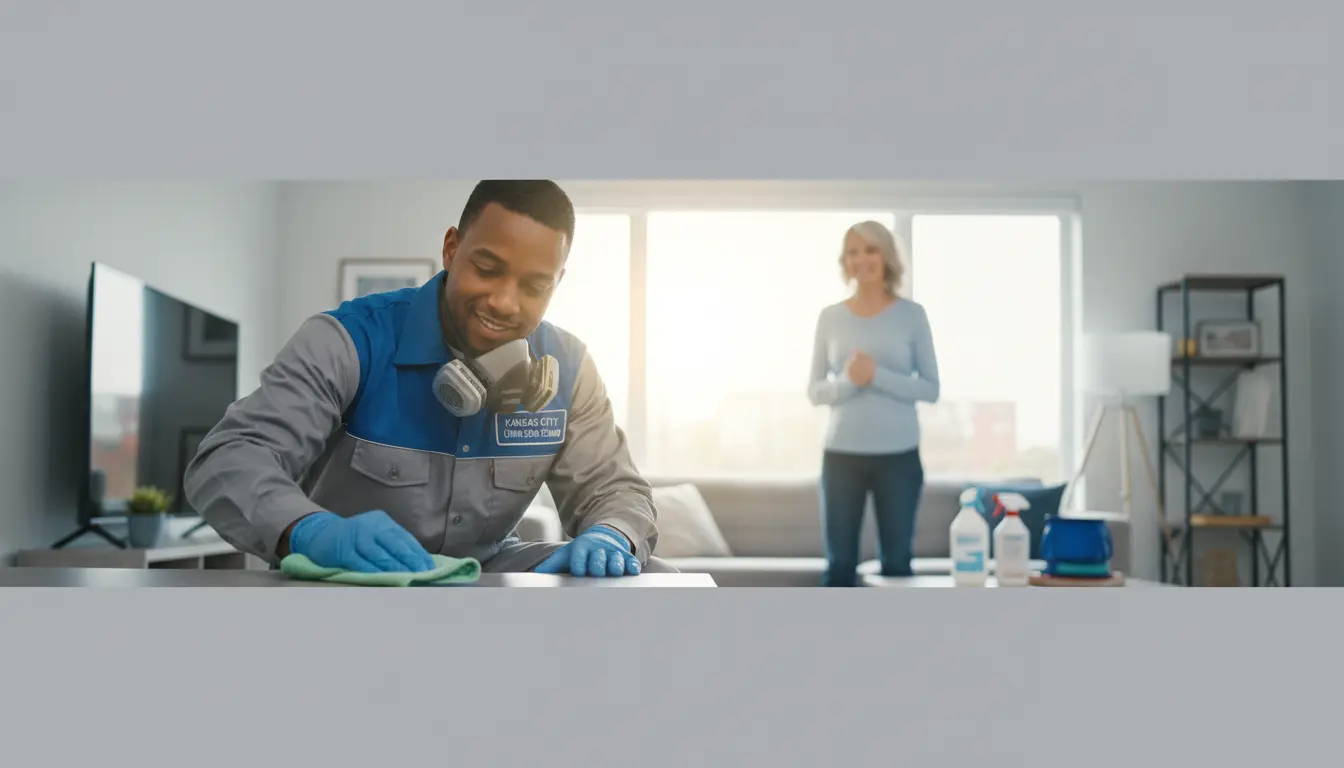
You’re probably making a costly mistake right now if you’re searching for a crime scene cleanup company based solely on price or a quick Google review. In Kansas City, hiring the wrong crew can lead to structural condemnation, health violations from the Jackson County health department, or, worst of all, a secondary contamination event that puts your family or tenants at risk of serious bloodborne pathogen exposure. The cheapest quote often skips critical steps like adenosine triphosphate (ATP) testing or negative air containment, leaving biological residues hidden behind walls and under subflooring.
The Missouri Department of Health and Senior Services reports that improperly remediated trauma sites frequently require costly re-cleanings, sometimes exceeding double the original estimate. For property owners in historic Kansas City neighborhoods like Pendleton Heights or Volker, the unique construction materials—plaster and lath, hardwood floors, and unsealed brick—can trap biohazards in ways modern drywall cannot. That’s why understanding how to choose a trusted crime scene cleanup company in Kansas City isn’t just about peace of mind; it’s about protecting a significant financial asset and, more importantly, the health of everyone who will occupy that space.
Professional biohazard remediation goes far beyond standard cleaning. It requires strict adherence to OSHA’s Bloodborne Pathogens Standard (29 CFR 1910.1030), IICRC S540 protocols for trauma and crime scene cleanup, and local Kansas City waste disposal regulations. The company you select must demonstrate certified expertise in forensic restoration, microbial remediation, and structural decontamination. Below, we break down the exact technical process, pricing realities, and red flags to watch for when vetting a provider in the Kansas City metro area.
The Technical Process of Professional Crime Scene Cleanup: More Than Bleach and Mops
A trusted remediation team follows a scientific, risk-based workflow that begins long before any cleaning agent is applied. The first step is a thorough initial risk assessment of the affected area. Technicians evaluate the type of biological material present—blood, tissue, or other potentially infectious materials (OPIM)—and the extent of penetration into porous surfaces like drywall, carpet, or grout. In older Kansas City homes common in Scarritt or Ivanhoe, this assessment often reveals hidden seepage into subflooring or insulation that would be invisible to an untrained eye.
Once the assessment is complete, the crew establishes a strict contamination control zone. This involves setting up industrial-grade negative air machines to create a pressure differential that prevents airborne pathogens from migrating to clean areas of the home. Personal protective equipment (PPE) protocols are initiated, including full-body Tyvek suits, N100 respirators, and double-gloving. This step is non-negotiable and is a hallmark of any legitimate, trusted crime scene cleanup company in Kansas City. Failing to establish negative pressure is one of the most common mistakes that leads to cross-contamination and long-term health risks.
Chemical and Mechanical Decontamination
The actual cleaning process employs EPA-registered hospital-grade disinfectants with proven efficacy against a broad spectrum of pathogens, including hepatitis B, hepatitis C, and HIV. These chemicals are applied with specific dwell times—typically 10 to 15 minutes—to ensure complete viral inactivation. For porous materials that cannot be effectively disinfected, such as blood-soaked drywall or saturated wood, the only safe option is removal and replacement. This is a critical distinction that separates professional remediation from standard janitorial services.
After the initial cleaning, technicians perform ATP fluorescence testing. This involves swabbing surfaces and using a luminometer to measure the amount of adenosine triphosphate present, which indicates residual biological material. A reading below a specific threshold—often 10 relative light units (RLUs)—confirms that the surface is truly clean. This objective, scientific verification is something a standard cleaning crew simply cannot provide. It’s one of the most important factors in how to choose a trusted crime scene cleanup company in Kansas City: do they use ATP testing as a standard practice?
Final Structural Encapsulation and Odor Neutralization
The final phase involves applying a specialized enzyme treatment or encapsulant to seal any remaining microscopic contaminants in non-removable surfaces like concrete or brick. This also neutralizes the odors that often linger after a traumatic event. Given the seasonal humidity extremes in Missouri—from muggy summers in Kansas City to dry winters—biological degradation rates vary dramatically. A skilled crew adjusts their chemical selection and drying protocols based on ambient temperature and moisture content, ensuring that odor migration through porous walls is fully arrested. This level of technical nuance is precisely why understanding how to choose a trusted crime scene cleanup company in Kansas City requires looking beyond a company’s website and into their actual field protocols.
Professional Remediation vs. Standard Janitorial Cleaning: A Critical Comparison
Many property owners mistakenly believe that any cleaning service can handle a crime scene. This misconception can lead to severe legal, health, and financial consequences. The table below highlights the fundamental differences between a certified biohazard remediation provider and a standard residential cleaning service.
| Feature/Metric | Professional Biohazard Remediation | Standard Residential Cleaning |
|---|---|---|
| Regulatory Compliance | Full adherence to OSHA 29 CFR 1910.1030, IICRC S540, and Missouri waste disposal laws. | No specialized regulatory framework for biohazards. |
| Pathogen Elimination | EPA-registered hospital-grade disinfectants with validated dwell times; ATP testing for verification. | Household bleach or all-purpose cleaners, often ineffective against bloodborne pathogens. |
| Structural Assessment | Identification of hidden biological saturation in porous materials; removal of affected drywall, insulation, or flooring. | Surface cleaning only; no assessment for hidden contamination. |
| Waste Disposal | Licensed biohazard waste transport and incineration per Missouri regulations. | Standard trash disposal, which is illegal and dangerous. |
| Cross-Contamination Prevention | Use of negative air machines, containment barriers, and strict PPE protocols. | No containment procedures; pathogens can spread through the building. |
| Insurance and Liability | Covered by professional liability and workers’ compensation insurance for biohazard work. | General liability policies often exclude biohazard claims. |
Source: IICRC S540 Trauma and Crime Scene Cleanup Standard
The takeaway is clear: a standard cleaning crew lacks the training, equipment, and legal authority to handle a crime scene safely. When you’re evaluating how to choose a trusted crime scene cleanup company in Kansas City, this comparison table serves as a checklist. If a company cannot confirm these specific capabilities, they are not qualified for the job.
Expert Insights: Three Professional Diagnostic Tips for Property Owners
Even before the cleanup crew arrives, knowing what to look for can help you vet potential providers. These three diagnostic tips come directly from field experience in Kansas City’s diverse housing stock.
Tip 1: Detect Hidden Biological Seepage. Blood and other body fluids can seep through grout, tile seams, and even hairline cracks in concrete slabs. A professional uses a moisture meter and a thermal imaging camera to identify areas of saturation invisible to the naked eye. If a company claims to be done after a simple surface wipe-down, they are likely missing significant contamination. This seepage can lead to microbial growth within 24 to 48 hours, especially during Kansas City’s humid summer months, creating secondary health hazards.
Tip 2: Why Porous Materials Require Replacement, Not Cleaning. Drywall, carpet, padding, and upholstery are porous by nature. Once blood or other biological matter soaks into these materials, it cannot be fully disinfected. The structural integrity of the material is compromised, and pathogens can remain viable deep within the fibers. A reputable company will explain the necessity of removal and disposal for all affected porous materials. Attempting to clean them only creates a false sense of security and a long-term liability.
Tip 3: The Importance of Negative Pressure. Negative air pressure is not just for large construction sites. In a crime scene cleanup, it prevents airborne contaminants from escaping the work area. Without it, pathogens can travel through HVAC systems and contaminate the entire home. The company you hire must set up negative air machines and confirm the pressure differential with a manometer. This is a non-negotiable standard for any firm claiming to be a trusted crime scene cleanup company in Kansas City.
Common Mistakes Property Owners Make
Mistake 1: Using Household Bleach on Biological Matter. Household bleach is not an EPA-registered disinfectant for bloodborne pathogens. It can also react with organic material to create harmful fumes. Professional-grade disinfectants are specifically formulated to break down biological matter and kill pathogens without creating secondary toxins.
Mistake 2: Waiting for Odor to Dissipate Naturally. Odor is a sign of active decomposition and microbial growth. Waiting days or even hours for it to “air out” allows pathogens to multiply and spread. Professional remediation must begin immediately to prevent further contamination and structural damage.
Mistake 3: Allowing Untrained Personnel into the Site. Family members, friends, or even general contractors should never enter a trauma scene before remediation. They can track biohazards out of the area on their shoes or clothing, creating a larger contamination zone. This is a serious legal and health risk that can void insurance claims.
Understanding the Pricing Structure for Crime Scene Cleanup
Pricing for professional biohazard remediation varies significantly based on several objective factors. While exact quotes require an on-site assessment, understanding the typical cost drivers will help you evaluate proposals.
- Standard Site Mobilization Fees: Most companies charge a base fee to cover travel to your location within the Kansas City metro area, setup of containment equipment, and initial PPE. This fee typically ranges from $200 to $500, depending on distance and urgency.
- Hourly Remediation Rates: The bulk of the cost comes from the time spent on-site. Certified technicians usually bill at rates between $150 and $300 per hour. This covers labor, specialized equipment operation, and chemical application. A typical unattended death scene in a single room may require 8 to 15 hours of work.
- Specialized Disposal Fees: Biohazardous waste must be transported and incinerated by a licensed medical waste hauler. Costs are calculated by weight, typically $1 to $3 per pound. A moderate-sized scene can generate 50 to 100 pounds of waste, adding $50 to $300 to the total.
Three primary factors influence the final cost. First, the extent of structural material replacement required. If blood has soaked through drywall and into insulation, the removal and replacement of these materials adds significant labor and material costs. Second, the total volume of biohazardous waste directly impacts disposal fees. Third, the necessity for specialized HVAC decontamination. If airborne pathogens have entered the ductwork, cleaning and sanitizing the entire system is required, which can add thousands to the bill. When considering how to choose a trusted crime scene cleanup company in Kansas City, ask for a detailed, itemized estimate that explains each of these components.
Safety Standards and Certifications: What to Verify
A company’s commitment to safety is demonstrated through verifiable certifications and adherence to recognized standards. The most important credentials to look for include IICRC certification in trauma and crime scene remediation (TCS), OSHA compliance with the Bloodborne Pathogens Standard (29 CFR 1910.1030), and a valid Missouri waste transporter license for biohazardous materials.
Practical importance: These certifications ensure that technicians understand how to properly handle, contain, and dispose of hazardous material. They also guarantee that the company carries the appropriate insurance—general liability, workers’ compensation, and pollution liability—which protects you from financial liability in case of an accident. For example, if a technician is injured on your property by a contaminated needle, their workers’ compensation coverage prevents you from being sued. Without this coverage, you could be held responsible for medical bills and lost wages.
Furthermore, compliance with IICRC S540 standards means the company follows a documented, repeatable process for every job. This includes pre-remediation inspection, containment protocols, cleaning verification, and post-remediation documentation. For property owners, this documentation is crucial for insurance claims and for proving that the site is safe for reoccupation. When researching how to choose a trusted crime scene cleanup company in Kansas City, always request copies of their certifications and insurance certificates before signing a contract.
Frequently Asked Questions About Crime Scene Cleanup
How quickly should a crime scene cleanup crew arrive in Kansas City?
Response time is critical. A professional team should be able to deploy within two to four hours of your call, 24 hours a day, 7 days a week. Delays allow biological material to dry, fix to surfaces, and begin to decompose, which complicates the remediation process. In the Kansas City metro area, where traffic on I-35 or I-70 can be unpredictable, a company’s ability to navigate these routes efficiently is a practical consideration. Ask about their average response time for your specific neighborhood.
What happens if hidden biohazards are found after the initial cleaning?
A comprehensive remediation process includes a final verification step, often using ATP testing, to ensure all visible and hidden contamination has been addressed. Reputable companies offer a warranty or guarantee that if hidden contamination is discovered later, they will return at no additional cost to complete the remediation. This is a key differentiator. A company that refuses to guarantee their work is a red flag. This is directly related to how to choose a trusted crime scene cleanup company in Kansas City: look for a written guarantee.
Will my homeowners insurance cover the cost of crime scene cleanup?
Many standard homeowners insurance policies cover biohazard remediation as part of the “dwelling” or “other structures” coverage, especially if the event was sudden and accidental. However, coverage varies widely. It is essential to contact your insurance agent immediately and secure pre-authorization before any work begins. A professional cleanup company can often provide the necessary documentation and work directly with your adjuster to streamline the claims process. You can learn more about this by reading our guide on Kansas City crime scene cleanup what insurance covers.
Is it safe for my family to stay in the home during the cleanup?
Generally, no. The cleanup process involves the use of powerful chemicals, negative air machines, and the removal of contaminated materials. It creates noise, dust, and potential airborne contaminants. For the safety of your family and to allow the crew to work efficiently, it is recommended that you vacate the premises until the work is complete and final testing confirms the site is safe. Most remediation projects take one to three days, depending on the severity of the scene. For more detailed advice on returning home, see our article on 7 power tips to restore your home after a crime scene.
How do I verify a company’s credentials before hiring them?
Start by asking for their IICRC certification number and their OSHA training records. You can verify IICRC certifications directly on the IICRC website. Request a copy of their general liability and workers’ compensation insurance certificates. Also, ask for references from past jobs in the Kansas City area. A reputable company will provide these documents without hesitation. Avoid any company that is evasive or unable to produce proof of insurance. Our guide on how to choose the best crime scene cleaners in KC provides a more detailed vetting checklist.
Professional Biohazard Remediation in Kansas City
Selecting the right crime scene cleanup company is a decision that carries profound implications for your property’s safety, your family’s health, and your financial well-being. The process is not about aesthetics; it is about scientific, regulatory, and ethical responsibility. A truly trusted provider combines technical expertise with genuine compassion, understanding the sensitive nature of the situation while executing a rigorous, verifiable remediation protocol.
Kansas City Crime scene cleanup stands as the premier choice for property owners across the metro area. Our team holds IICRC certifications, follows OSHA-compliant procedures, and uses the latest forensic restoration equipment. We serve the entire region, from North Kansas City to the historic districts of Scarritt and Pendleton Heights. When you need the highest standard of care, contact us for a confidential consultation. We are here to restore your property and your peace of mind.