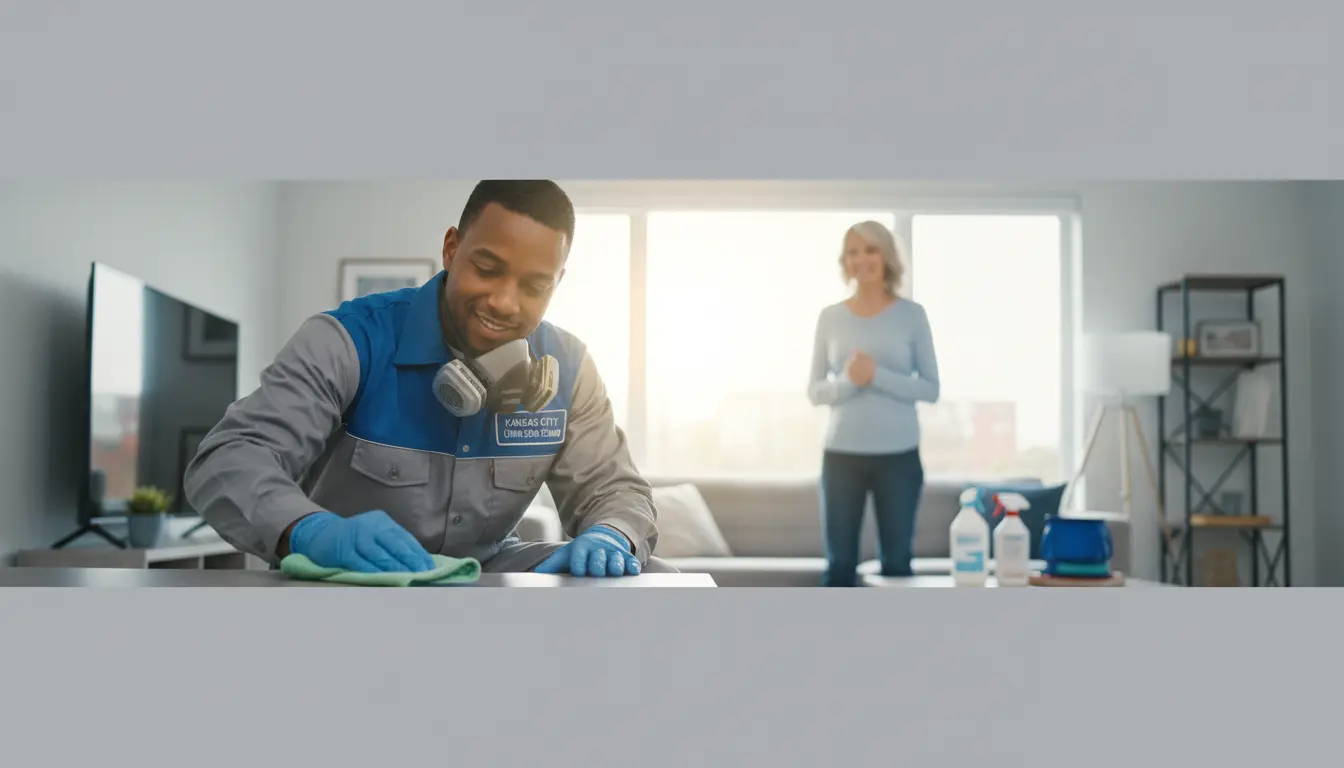
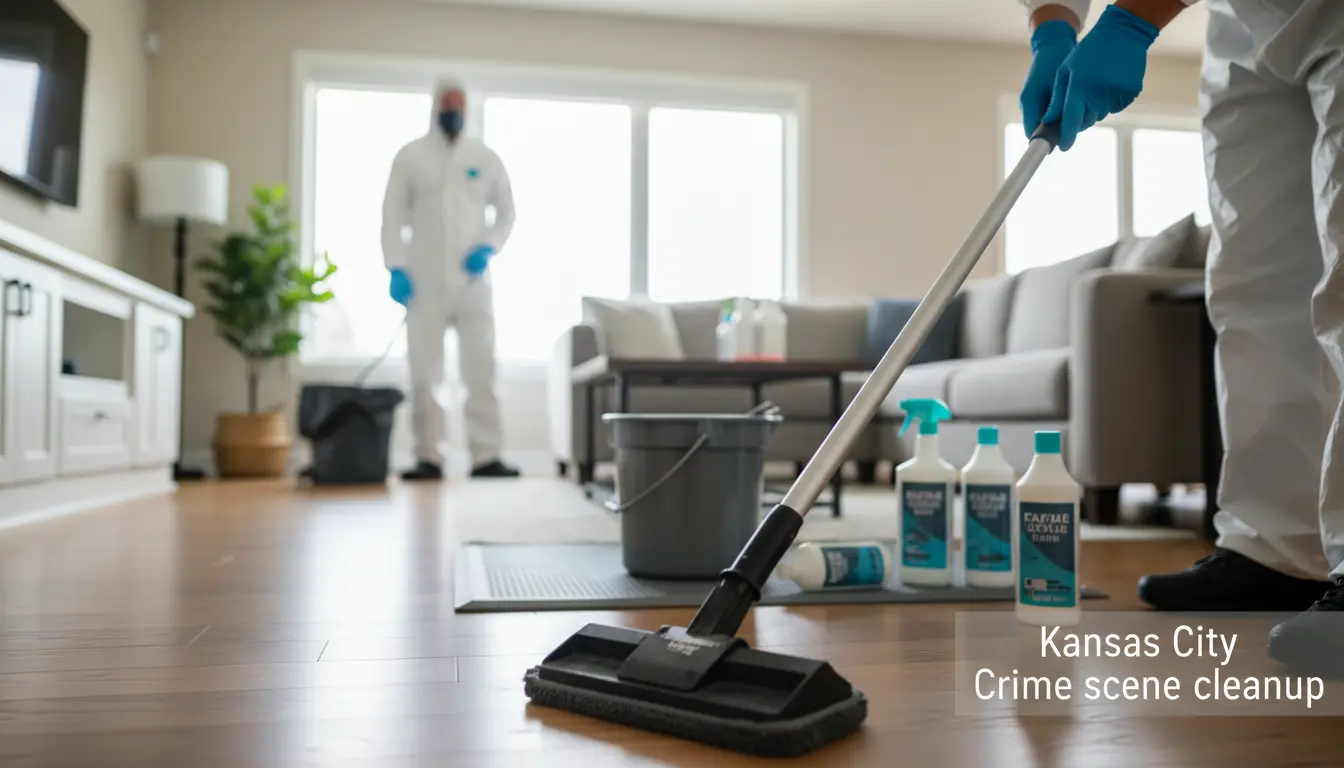
Losing a loved one to homicide is an unimaginable tragedy, and the immediate aftermath can feel overwhelming. In Kansas City, where neighborhoods like Midtown and Westport hold tight-knit communities, the emotional weight is compounded by the practical challenges of handling a crime scene. Biohazards, structural damage, and lingering odors can make your home or property unsafe and uninhabitable. That’s where professional intervention becomes essential.
At Kansas City Crime Scene Cleanup, we understand the urgency and sensitivity required in these situations. Our team specializes in homicide site cleaning, providing compassionate, efficient services to help you reclaim your space. In this guide, we’ll walk you through what to do immediately after a homicide, offering practical Kansas City-specific cleanup tips to navigate this difficult time. Remember, while these steps are helpful, nothing replaces the expertise of certified professionals—reach out to us at (913) 259-6735 for 24/7 support.
Immediate Steps After a Homicide in Kansas City
The first hours following a homicide are critical. Law enforcement will secure the scene, but once released, you’ll face the daunting task of restoration. Acting quickly prevents health risks from bloodborne pathogens and decomposition.
Secure the Scene and Contact Authorities
Before anything else, ensure the area is safe. Kansas City Police Department protocols often require the scene to remain untouched until investigators complete their work. If you’re in areas like Independence or Prairie Village, local guidelines may vary slightly, so confirm with officers on-site.
Once cleared, document everything with photos for insurance purposes. Avoid entering the space yourself to prevent contamination—let professionals handle initial assessments.
Prioritize Safety and Health Precautions
Homicide scenes involve serious biohazards, including blood, bodily fluids, and potential infectious materials. In humid Kansas City summers, decomposition can accelerate, releasing harmful bacteria.
Wear protective gear if you must enter: gloves, masks, and full-body suits. Ventilate the area by opening windows, but avoid using fans that could spread contaminants. If you’re dealing with a rental property in Brookside, notify your landlord immediately to comply with local health codes.
Essential Cleanup Tips for Homicide Scenes
Cleaning a homicide site isn’t like a regular deep clean—it’s a specialized process requiring EPA-approved disinfectants and proper disposal methods. Here’s actionable advice tailored to Kansas City’s unique environment, from urban apartments to suburban homes.
Assess and Contain the Damage
Start with a thorough inspection. Look for blood spatter on walls, floors, and ceilings, as well as any structural impacts from the incident. In older Kansas City homes, like those in historic Westport, porous materials like hardwood or plaster may absorb fluids deeply, necessitating floor restoration services.
Contain the area by sealing off rooms with plastic sheeting and tape. This prevents cross-contamination to unaffected parts of your home. For outdoor scenes common in Kansas City’s parks or backyards, cover affected ground with tarps to avoid runoff into storm drains, which could violate local environmental regulations.
Remove Biohazards Safely
Never attempt DIY biohazard removal—it’s illegal in Missouri without proper certification and poses severe health risks. Blood can carry hepatitis, HIV, and other pathogens.
Professionals use industrial-grade cleaners and HEPA vacuums to extract fluids. For instance, in Midtown condos with limited space, our biohazard cleanup services employ compact equipment to minimize disruption. Dispose of waste through licensed medical waste haulers, as regular trash services won’t accept it.
Tip: If decomposition has occurred, odors can permeate HVAC systems. Have ducts professionally cleaned to prevent widespread contamination throughout your Kansas City property.
Disinfect and Restore the Space
After removal, disinfection is key. Use a 10% bleach solution or quaternary ammonium compounds on non-porous surfaces, but test for colorfastness first. For fabrics or carpets, steam cleaning at high temperatures (above 160°F) kills bacteria.
In Kansas City’s variable climate, moisture control is vital—use dehumidifiers to combat mold growth post-cleanup. For severe cases involving unattended deaths, our decomposition cleanup experts handle the intricate process of odor neutralization using ozone generators and enzyme treatments.
If walls or floors are beyond repair, consider full replacement. Insurance often covers this under crime scene provisions, so gather estimates from certified providers like us.
Navigating Insurance and Legal Aspects in Kansas City
Dealing with paperwork adds stress, but it’s crucial for recovery. Kansas City’s insurers, like those serving Prairie Village residents, typically cover biohazard cleanup if filed correctly.
Filing Claims Effectively
Contact your homeowner’s or renter’s insurance immediately. Provide police reports and photos. Many policies exclude DIY cleanups, so hiring pros like Kansas City Crime Scene Cleanup ensures reimbursement—our detailed reports streamline this.
For businesses in high-traffic areas like downtown Kansas City, commercial policies may require faster action to reopen. Our 24-hour emergency response gets you back on track quickly.
Understanding Local Regulations
Missouri law mandates proper biohazard handling under OSHA and CDC guidelines. In Kansas City, Jackson County health departments oversee compliance. Fines for improper disposal can reach thousands, so always use licensed services.
If the property is a rental, Kansas City tenant laws protect your rights—document the scene’s condition pre- and post-cleanup to avoid deposit disputes.
Emotional Support and Long-Term Recovery
Cleanup is physical, but the psychological toll is profound. Kansas City offers resources like the KC Crisis Hotline (816-482-0021) for immediate counseling.
Seeking Professional Help Beyond Cleanup
Therapy can aid in processing grief. Local groups in Independence provide support for crime victims’ families.
For property recovery, ongoing maintenance prevents residue issues. Schedule follow-up inspections to ensure thoroughness.
FAQ: Common Questions About Homicide Cleanup in Kansas City
How long does homicide scene cleanup take?
It varies by scene size and contamination level, but our team typically completes most Kansas City jobs in 1-3 days. Emergency response ensures we start within hours.
Is homicide cleanup covered by insurance?
Yes, most policies cover professional services. We assist with claims to maximize your coverage without out-of-pocket costs.
Can I clean the scene myself to save money?
We strongly advise against it due to health risks and legal issues. Our certified experts handle it safely and efficiently.
What if the homicide involved decomposition?
Decomposition requires specialized techniques. Our decomposition cleanup experts use advanced methods to eliminate odors and hazards completely.
Do you serve all Kansas City areas?
Absolutely—from Brookside to Westport, we provide rapid response across the metro.
Conclusion: Take the First Step Toward Restoration
Navigating the aftermath of a homicide in Kansas City demands swift, expert action to restore safety and peace of mind. From securing the scene to full biohazard cleanup services, the tips here empower you, but professional help is irreplaceable.
Kansas City Crime Scene Cleanup is here 24/7, ready to compassionately handle your needs. Don’t delay—call us at (913) 259-6735 today for a free consultation and let us guide you through this process. Your recovery starts now.