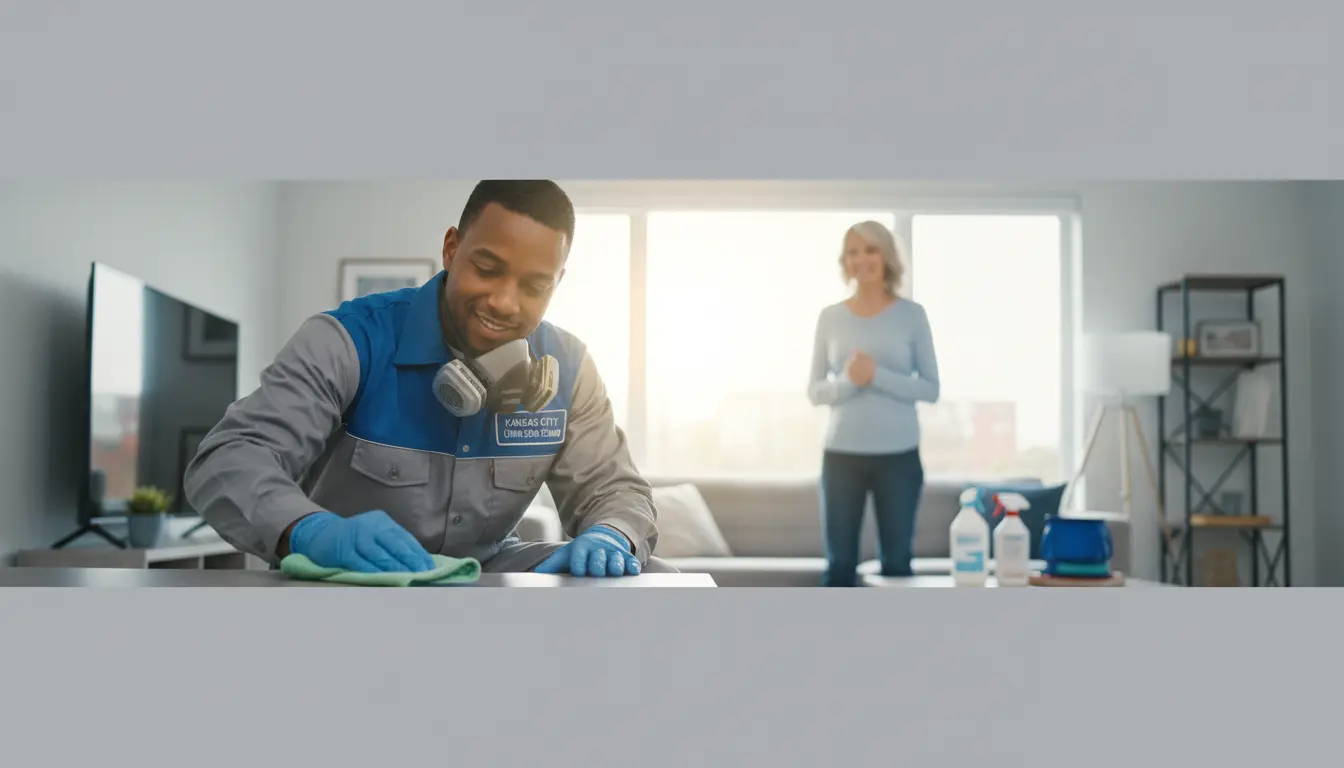
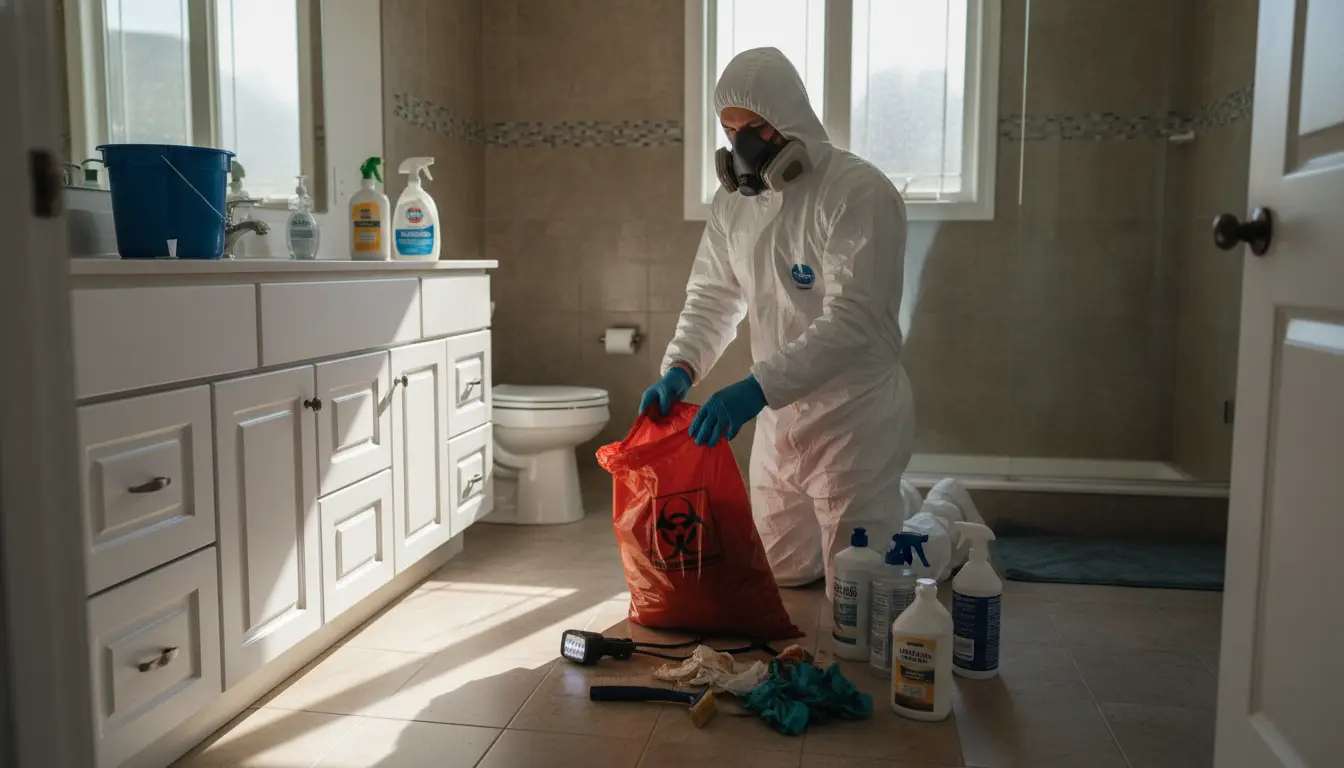
Imagine stumbling upon a traumatic scene in your Kansas City home—perhaps after an accident or unattended death. The shock is overwhelming, and your first instinct might be to roll up your sleeves and clean it up yourself to save money. But what if that decision leads to even greater expenses, both financial and emotional? In this eye-opening post, we’ll expose the hidden costs of DIY crime scene cleanup and why professional services from Kansas City Crime Scene Cleanup are your safest bet.
As a leading provider in the Kansas City area, we’ve seen countless cases where well-intentioned attempts at self-cleanup turned into nightmares. From biohazard exposure to structural damage, the repercussions can linger far longer than the initial incident. Stick with us as we break down the risks, share practical advice, and highlight why calling experts is crucial for residents in neighborhoods like Raytown and Westport.
Why DIY Crime Scene Cleanup Seems Appealing at First
At first glance, tackling a crime scene cleanup yourself might feel empowering. After all, you’re saving on professional fees, which can run into thousands of dollars. Supplies like gloves, bleach, and trash bags are readily available at local stores in Kansas City, and online tutorials promise quick fixes. But this allure hides a web of dangers that can amplify costs exponentially.
The Financial Trap: Underestimating Supplies and Time
One of the most overlooked hidden costs is the sheer volume of materials required. Crime scenes involve biohazards like blood, bodily fluids, and pathogens that demand specialized equipment—not just household cleaners. You might spend $200 on basic PPE and disinfectants, only to realize they’re insufficient for thorough decontamination.
In Kansas City, where humidity can exacerbate mold growth post-cleanup, improper handling leads to additional expenses. For instance, replacing contaminated carpets or furniture could add $1,000 or more to your bill. Our team at Kansas City Crime Scene Cleanup often encounters DIY attempts that fail EPA standards, resulting in fines up to $50,000 for non-compliance with biohazard regulations.
Practical tip: Always assess the scene’s scale before starting. If it involves more than a small spill, halt and consult professionals specializing in bodily fluid removal. This simple step can prevent wasteful spending.
Health Risks: The Invisible Toll on You and Your Family
Beyond money, the health implications of DIY cleanup are staggering. Crime scenes harbor dangerous pathogens such as hepatitis, HIV, and bacteria like MRSA. Without proper training, you’re exposing yourself to airborne contaminants and needle sticks.
Emotional and Physical Strain in High-Stress Situations
Cleaning a traumatic site isn’t just physically demanding; it’s emotionally draining. In areas like Waldo, where close-knit communities face rising incidents of violence, the psychological impact can lead to PTSD or anxiety. DIY efforts often prolong exposure to the scene, intensifying trauma.
We’ve assisted families in Belton who suffered respiratory issues from inhaling dried biohazards during self-cleanup. Actionable advice: Wear N95 masks and full-body suits, but recognize these are stopgaps. For true safety, opt for certified services like our confidential biohazard cleanup, which ensures discreet and thorough removal.
Moreover, cross-contamination risks extend to your entire home. Porous surfaces absorb fluids, potentially spreading hazards to HVAC systems. Professional intervention prevents this, saving you from medical bills that could reach $10,000 for severe infections.
Legal and Regulatory Pitfalls: Navigating Kansas City’s Strict Laws
Missouri state laws, including those enforced by the Kansas City Health Department, mandate proper disposal of biohazardous waste. DIYers often violate these by using regular trash services, leading to hefty penalties.
Waste Disposal Nightmares and Fines
Transporting contaminated materials without certification is illegal. In Kansas City, improper disposal can result in environmental violations, with fines starting at $1,000 per incident. We’ve seen cases where homeowners faced lawsuits from neighbors due to odor complaints or contamination spread.
Tip: Use licensed medical waste haulers, but even then, documentation is key. For complex scenes like suicides, our suicide scene restoration services handle all permits, sparing you legal headaches.
Insurance is another hidden cost. Many policies exclude DIY cleanup damages, leaving you to foot the bill for property restoration. In contrast, professional cleanups are often covered, reducing your out-of-pocket expenses.
Structural Damage: Long-Term Home Impacts
What starts as a cleanup can evolve into a renovation nightmare. Biofluids seep into walls, floors, and subfloors, causing rot, mold, and odors that persist for years.
The Mold Menace in Kansas City’s Climate
Kansas City’s variable weather—hot summers and wet springs—accelerates microbial growth. DIY attempts using diluted bleach often fail to eradicate spores, leading to mold remediation costs of $5,000–$30,000.
Practical advice: After initial containment, test for mold with affordable kits from local hardware stores. If positive, don’t delay—contact experts for trauma scene decontamination to restore your property safely.
In neighborhoods like Scarritt, older homes with wood framing are particularly vulnerable. Our experience shows that professional intervention prevents devaluation, preserving your investment.
When DIY Goes Wrong: Real Kansas City Stories
Consider the case of a Raytown family who attempted to clean after an accident. They spent weekends scrubbing, only to discover persistent odors forcing a full-room gutting—total cost: $15,000. Or a Westport resident fined $2,500 for illegal waste dumping.
These stories underscore a key point: Time lost on ineffective DIY equals opportunity costs. While you’re cleaning, you’re not healing or reclaiming your space.
Actionable tip: Document everything with photos and notes. This aids professionals later and supports insurance claims, minimizing financial loss.
FAQ: Common Questions About DIY Crime Scene Cleanup
1. Is DIY crime scene cleanup ever safe?
Rarely, and only for minor, non-biohazard spills. For anything involving blood or death, professionals are essential to avoid health and legal risks.
2. How much does professional cleanup cost in Kansas City?
Costs vary by scene size but average $1,500–$5,000. It’s an investment that prevents far higher DIY-related expenses.
3. What should I do immediately after discovering a scene?
Secure the area, avoid touching anything, and call authorities followed by Kansas City Crime Scene Cleanup at (913) 259-6735 for guidance.
4. Can I handle personal property disposal myself?
Not recommended for contaminated items. Our personal property disposal service ensures compliant, compassionate handling.
5. How long does professional cleanup take?
Typically 1–5 days, depending on complexity, allowing you to return to normalcy faster than prolonged DIY efforts.
Conclusion: Choose Professional Peace of Mind
The hidden costs of DIY crime scene cleanup—health risks, legal fines, emotional toll, and structural damage—far outweigh any short-term savings. In Kansas City, where communities like Waldo and Belton deserve swift recovery, entrusting the job to experts ensures safety and efficiency.
Don’t let a traumatic event compound into a crisis. Contact Kansas City Crime Scene Cleanup today at (913) 259-6735 for compassionate, certified services tailored to your needs. Restore your space and serenity—call now for a free consultation.