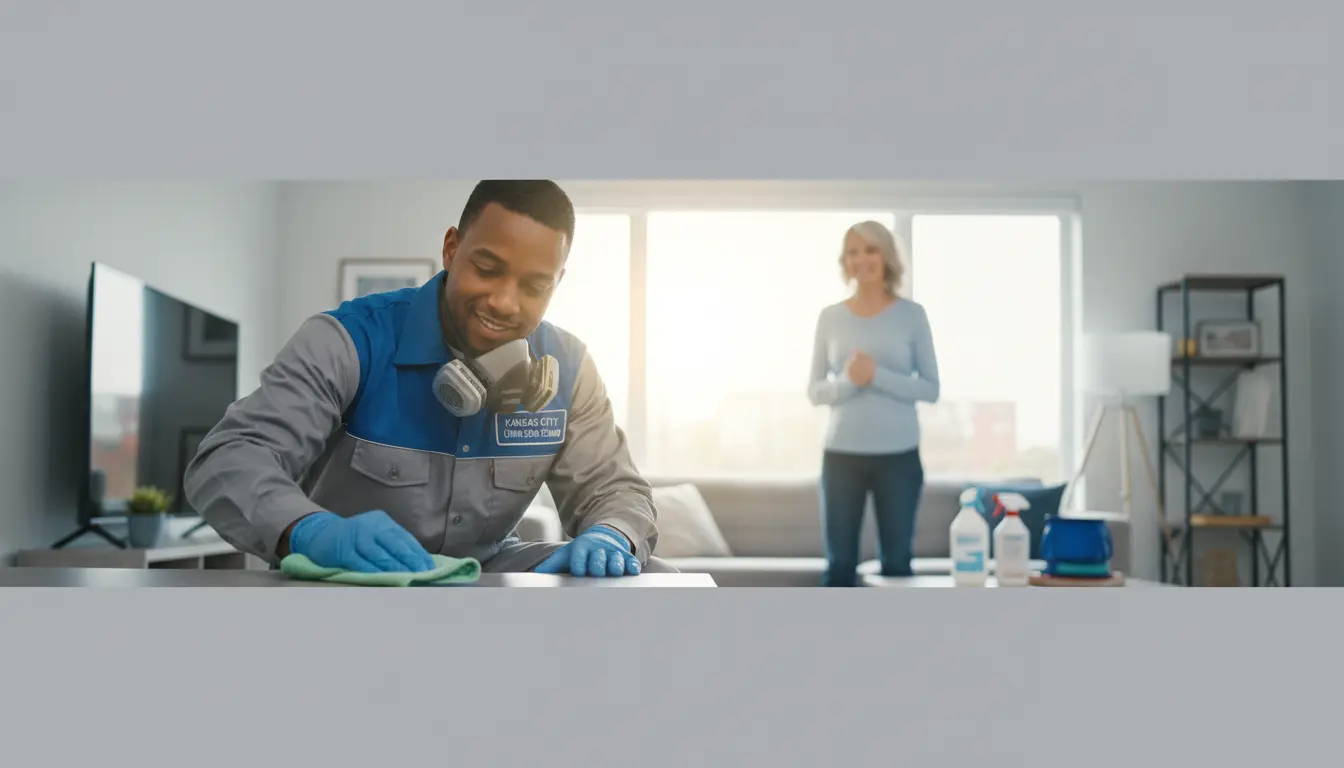
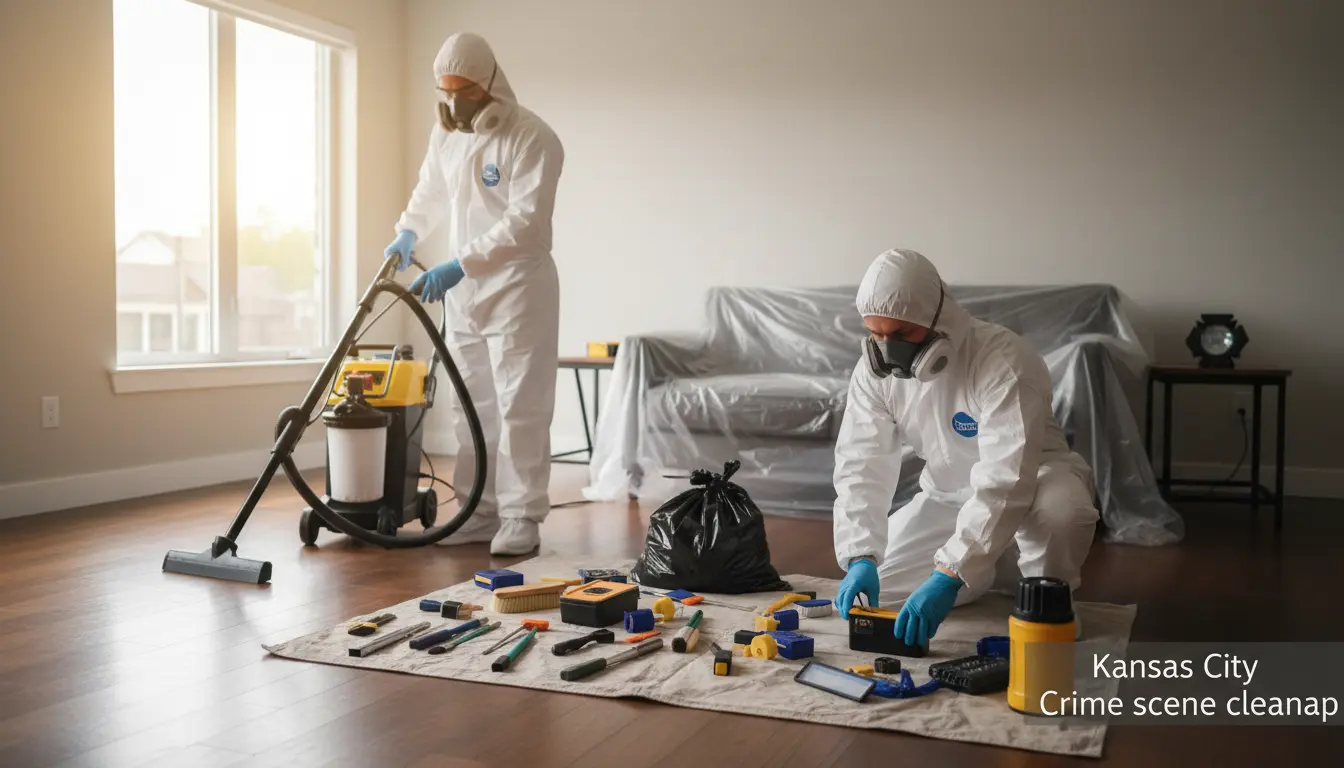
Dealing with the aftermath of a crime scene in your Kansas City home can be overwhelming. The emotional toll is heavy, but so is the practical challenge of restoring your space to a safe, livable condition. Whether it’s in vibrant neighborhoods like Brookside or the bustling River Market, incidents like these disrupt lives and leave behind biohazards that demand expert handling. At Kansas City Crime Scene Cleanup, we’ve helped countless families in the area reclaim their homes with compassion and precision.
This guide shares seven power tips to guide you through the restoration process. From initial safety measures to final touches, these actionable steps will empower you to move forward. Remember, while DIY efforts have their place, professional services are often essential for thorough cleanup—especially when dealing with hazardous materials. Let’s dive in and get your home back to normal.
Understanding the Restoration Process
Restoring a home after a crime scene isn’t just about scrubbing surfaces; it’s a multi-step journey that prioritizes safety, health, and emotional well-being. In Kansas City, where homes range from historic charm in Scarritt to modern setups in Grandview, every property presents unique challenges.
Why Professional Help Matters
Crime scenes often involve blood, bodily fluids, and other biohazards that can pose serious health risks if not handled correctly. Pathogens like hepatitis and HIV can linger, making improper cleanup dangerous. That’s where services like site assessment services come in—they evaluate the extent of contamination and create a tailored plan.
Our team at Kansas City Crime Scene Cleanup follows strict protocols aligned with OSHA and EPA guidelines, ensuring your home is sanitized without spreading contaminants. Skipping pros can lead to legal issues or health problems down the line, especially in densely populated areas like Raytown.
Tip 1: Secure the Scene Immediately
Your first priority is safety. After law enforcement releases the scene, cordon off the area to prevent accidental exposure. Use caution tape or barriers to keep family members and pets away.
Actionable Steps
- Document Everything: Take photos and notes for insurance claims. This is crucial in Kansas City, where insurers like those covering local homes require detailed records.
- Ventilate the Space: Open windows and use fans to air out the area, reducing airborne particles. In humid KC summers, this helps prevent mold growth too.
- Wear Protective Gear: Don gloves, masks, and suits before entering. For full protection, consider trauma kit provision from experts who supply industrial-grade equipment.
Acting fast minimizes risks and preserves evidence if needed for ongoing investigations.
Tip 2: Remove and Dispose of Contaminated Items
Not everything can be saved. Porous items like carpets, upholstery, and clothing often absorb biohazards and must be discarded.
How to Handle Disposal
- Identify Contaminated Goods: Look for stains or odors. In a typical Kansas City rowhouse, this might include area rugs or furniture in living rooms.
- Bag Securely: Use heavy-duty, biohazard-labeled bags. Double-bag to prevent leaks.
- Professional Disposal: For medical waste or large volumes, rely on medical waste disposal services. DIY disposal can violate local regulations in Jackson County, leading to fines.
Kansas City Crime Scene Cleanup streamlines this with eco-friendly methods, ensuring hazardous materials don’t end up in local landfills.
Tip 3: Deep Clean Surfaces Thoroughly
Once items are removed, focus on surfaces. Blood and fluids can seep into walls, floors, and fixtures.
Effective Cleaning Techniques
- Use EPA-Approved Disinfectants: Products with bleach or quaternary ammonium compounds kill 99.9% of pathogens. Apply and let sit for the recommended time—usually 10 minutes.
- Scrub Methodically: Start from the top down to avoid recontamination. For walls, our wall surface sanitization experts use specialized tools to reach crevices.
- Address Hidden Areas: Check under furniture and in vents. In older KC homes, like those in the Historic Northeast, attics and basements often harbor residues.
Test surfaces with a black light to spot invisible stains, ensuring a complete clean.
Tip 4: Deodorize and Eliminate Odors
Lingering smells can make your home unbearable and signal incomplete cleanup.
Odor Removal Strategies
- Enzymatic Cleaners: These break down organic matter at the molecular level. Ideal for Kansas City’s variable climate, where odors can intensify with heat.
- Ozone Generators: For severe cases, rent or hire pros to use these— but ventilate afterward, as they’re potent.
- Natural Aids: Baking soda and vinegar work for mild odors, but pair with professional assessment for best results.
At Kansas City Crime Scene Cleanup, we tackle odors holistically, restoring fresh air to your space.
Tip 5: Repair Structural Damage
Crime scenes may leave more than biohazards—think broken doors or damaged drywall.
Restoration Repairs
- Assess Damage: Hire a contractor for structural integrity checks. In earthquake-prone fringes of KC, ensure foundations aren’t compromised.
- Patch and Paint: For walls, use antimicrobial paints to prevent future mold. This step often follows our sanitization services.
- Replace Flooring: If hardwood warps or tile cracks, opt for durable, easy-clean materials suited to local weather.
Collaborate with local Kansas City restorers who understand the area’s architectural styles.
Tip 6: Sanitize and Disinfect HVAC Systems
Air ducts can circulate contaminants throughout your home.
HVAC Maintenance Tips
- Change Filters: Replace immediately and upgrade to HEPA filters for ongoing protection.
- Professional Cleaning: Schedule duct sanitization to remove residues. This is vital in airtight modern homes in suburbs like Grandview.
- Monitor Air Quality: Use testers to ensure safe levels post-cleanup.
Our team integrates this into comprehensive restoration plans.
Tip 7: Seek Emotional and Community Support
Restoration isn’t just physical—it’s emotional too.
Building Resilience
- Counseling Resources: Connect with Kansas City victim services through the police department or organizations like KC Crisis Center.
- Community Ties: Lean on neighbors in tight-knit areas like Raytown for support networks.
- Professional Guidance: We at Kansas City Crime Scene Cleanup offer compassionate advice, understanding the trauma involved.
Rebuilding your home is a step toward healing; don’t hesitate to reach out.
FAQ: Common Questions About Crime Scene Restoration in Kansas City
How Long Does Crime Scene Cleanup Take?
It varies by scene size, but most Kansas City jobs take 1-5 days. Our site assessment services provide accurate timelines upfront.
Is Crime Scene Cleanup Covered by Insurance?
Often yes, under homeowner’s policies for biohazard events. Contact your provider and keep records; we assist with claims in the KC area.
Can I Clean Up Myself After a Crime Scene?
Minor incidents maybe, but for safety, pros handle biohazards. In regulated areas like Brookside, DIY risks health and legal issues.
What If There’s Ongoing Investigation?
Wait for police clearance. We coordinate with authorities to ensure compliance without delaying restoration.
How Do I Prevent Future Biohazards?
Secure your home with alarms and maintain cleanliness. For expert tips, call Kansas City Crime Scene Cleanup at (913) 259-6735.
Conclusion: Reclaim Your Peace Today
Restoring your Kansas City home after a crime scene is challenging, but with these seven power tips, you’re equipped to start. From securing the area to emotional recovery, each step brings you closer to normalcy. Remember, you don’t have to do it alone—Kansas City Crime Scene Cleanup is here with expert, compassionate services tailored to our community.
Ready to restore your space? Contact us today at (913) 259-6735 for a free consultation. Let’s turn the page together and make your home safe again.