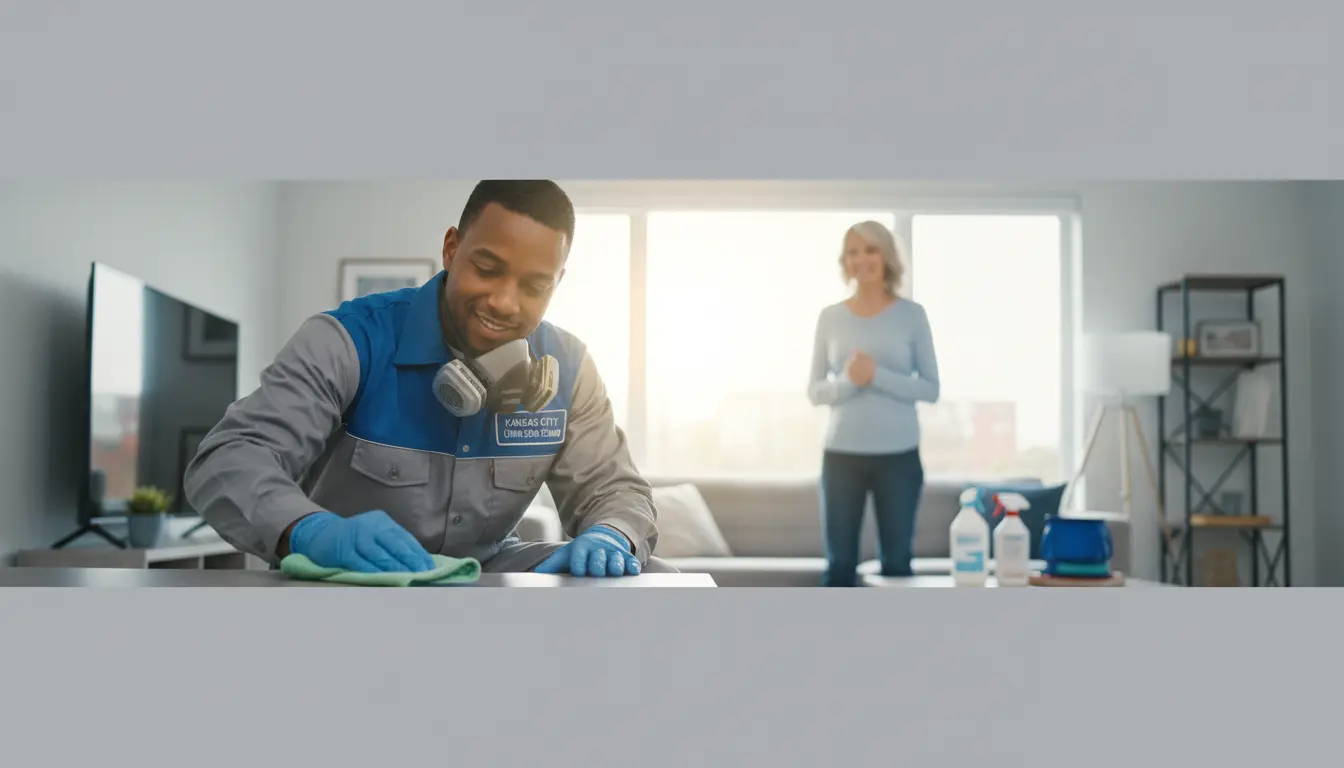
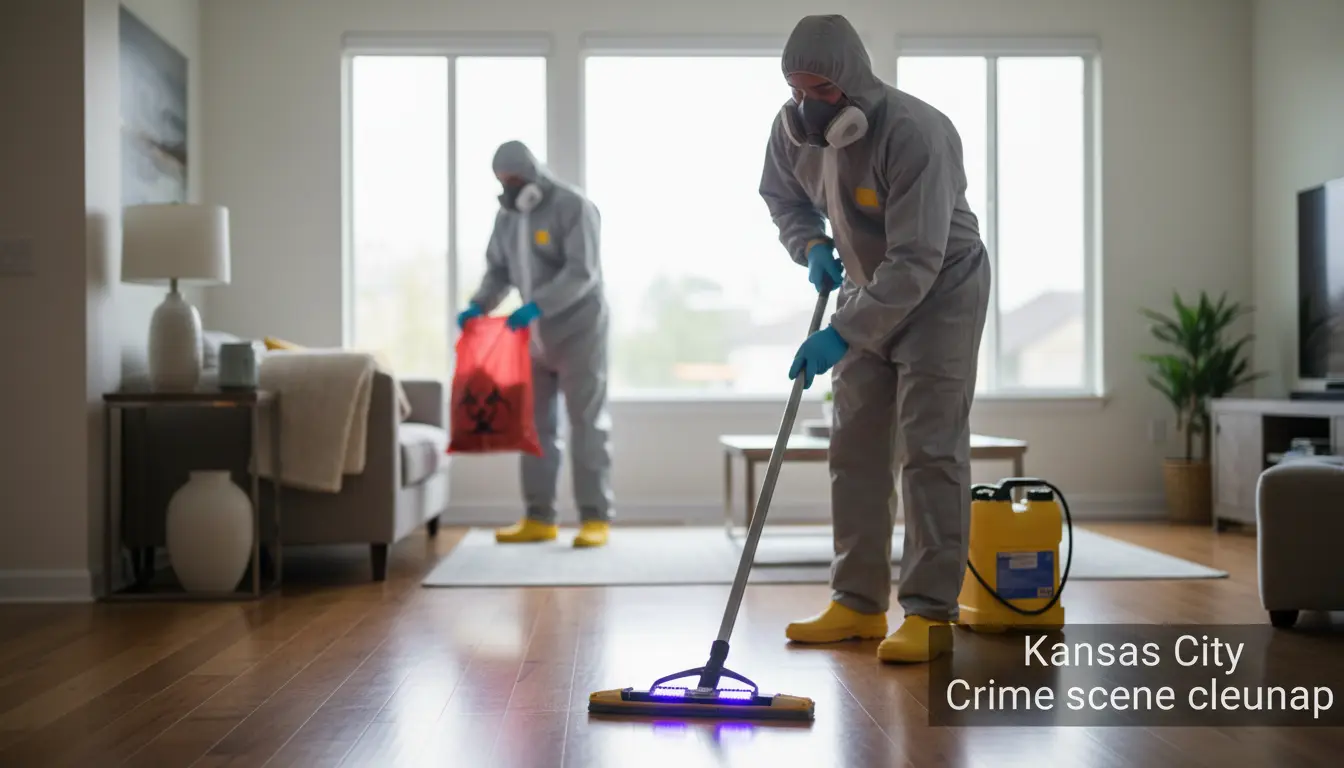
Imagine returning to your Kansas City home after a traumatic incident, only to face invisible dangers lurking in the shadows. The aftermath of a crime scene isn’t just emotionally devastating—it’s a health hazard waiting to strike. Biohazards like blood, bodily fluids, and pathogens can contaminate surfaces, air, and even structural elements, posing risks to you and your loved ones. As a resident of vibrant neighborhoods like Midtown or Westport, you deserve a safe space to heal. That’s where professional biohazard cleanup comes in. At Kansas City Crime Scene Cleanup, we specialize in restoring safety and peace of mind with our expert services tailored to the Kansas City area.
In this comprehensive guide, we’ll explore the critical role of biohazard cleanup in protecting your family’s health post-crime. From understanding the risks to practical steps for recovery, you’ll gain actionable insights to navigate this challenging time.
Understanding Biohazards in Crime Scene Aftermath
Biohazards are biological substances that threaten human health, and crime scenes are prime environments for them to thrive. After an incident involving violence, suicide, or unattended death, residues from blood, tissues, and fluids can harbor dangerous pathogens.
Common Types of Biohazards You Might Encounter
- Bloodborne Pathogens: Hepatitis B, Hepatitis C, and HIV can survive on surfaces for days or weeks, especially in the humid Kansas City climate.
- Bacterial Contaminations: Bacteria like Staphylococcus or E. coli multiply rapidly in uncleaned areas, leading to infections if not addressed.
- Fungal Growth: Post-incident moisture can foster mold, exacerbating respiratory issues in families with children or elderly members.
Ignoring these can result in long-term health problems, from skin irritations to severe illnesses. In Kansas City, where homes in areas like Brookside often feature older architecture with porous materials, contamination spreads quickly.
Why Professional Biohazard Cleanup is Essential
Attempting DIY cleanup might seem cost-effective, but it’s fraught with risks. Without proper training and equipment, you could expose yourself to toxins or fail to eliminate hazards completely, endangering your family further.
Professionals like those at Kansas City Crime Scene Cleanup use EPA-approved disinfectants, PPE, and specialized tools to ensure thorough decontamination. Our confidential biohazard cleanup services prioritize your privacy while delivering unmatched safety standards.
The Dangers of Inadequate Cleanup
Inadequate efforts can lead to secondary contamination, where pathogens spread to HVAC systems or neighboring rooms. Studies from the CDC highlight that improper handling increases infection risks by up to 300%. For Kansas City families, this means protecting not just your home but also preventing community health threats in densely populated spots like Prairie Village.
The Biohazard Cleanup Process: Step by Step
Our process at Kansas City Crime Scene Cleanup is methodical and efficient, minimizing disruption to your life. Here’s what to expect:
Step 1: Initial Assessment and Containment
Upon arrival, our team assesses the scene to identify all contaminated areas. We immediately contain the site using barriers and negative air pressure machines to prevent airborne spread. For urgent situations in Kansas City, our 24-hour emergency response ensures we’re there within hours.
Step 2: Safe Removal of Biohazardous Materials
We meticulously remove all visible biohazards, following OSHA guidelines for disposal. This includes bagging and transporting waste to certified facilities, ensuring no environmental impact on local Kansas City waterways.
Step 3: Deep Cleaning and Disinfection
Surfaces undergo multi-stage cleaning. For walls and floors, we employ techniques similar to our wall surface sanitization services, using hospital-grade cleaners to eradicate 99.99% of pathogens.
Step 4: Final Verification and Certification
Post-cleanup, we test for residues and provide a post-cleanup certification, giving you documented assurance of safety. This step is crucial for insurance claims and peace of mind.
Practical Tips for Protecting Your Family’s Health
While professionals handle the heavy lifting, you can take proactive steps to safeguard your household during and after cleanup.
Immediate Actions Post-Incident
- Evacuate and Secure the Area: Keep family members away from the site to avoid exposure. In Kansas City’s variable weather, seal off rooms to prevent drafts from spreading contaminants.
- Document Everything: Take photos for insurance and note any health symptoms like nausea or rashes, which could indicate exposure.
Health Precautions During Recovery
- Ventilate Safely: Once cleared, open windows but avoid deep cleaning yourself. Consult our experts for guidance on accident scene sanitization.
- Monitor Family Health: Watch for signs of infection and seek medical advice promptly. Boost immunity with balanced nutrition, especially important in high-stress post-crime scenarios.
- Prevent Future Risks: Install better lighting and security in your home. For Kansas City residents in areas like Gladstone, consider community resources for safety enhancements.
Long-Term Home Maintenance
Regular deep cleans and air quality checks can maintain a healthy environment. Use HEPA filters in vacuums and avoid harsh chemicals that might reactivate residues.
Kansas City-Specific Considerations for Biohazard Cleanup
Kansas City’s unique blend of urban density and Midwestern weather influences biohazard management. Summers bring high humidity, accelerating bacterial growth, while winters’ freeze-thaw cycles can crack surfaces, hiding contaminants.
In neighborhoods like the historic Westport district, older homes with wood floors absorb fluids deeply, requiring specialized extraction. Our team understands local building codes and environmental regulations, ensuring compliance while serving communities from Midtown to the suburbs.
Local law enforcement often collaborates with us for seamless scene releases, reducing your burden. Whether it’s a residential cleanup in Brookside or a commercial site downtown, we’re equipped to handle it discreetly.
FAQ: Common Questions About Biohazard Cleanup
1. How long does biohazard cleanup take in Kansas City?
The duration varies by scene size, but our 24-hour emergency response teams typically complete most residential jobs in 1-3 days, including certification.
2. Is biohazard cleanup covered by insurance?
Yes, many homeowners’ policies cover it under sudden and accidental losses. We assist with claims and provide detailed reports for your insurer.
3. Can I clean a small crime scene myself?
We strongly advise against it due to health risks. Even minor incidents require professional confidential biohazard cleanup to ensure complete safety.
4. What if the crime scene is outdoors in Kansas City?
Outdoor scenes face weather challenges, but our protocols include tarping and rapid response to contain hazards before rain or wind spreads them.
5. How do I know the cleanup is thorough?
We use ATP testing and provide post-cleanup certification, verifying surfaces meet health standards.
Conclusion: Restore Safety with Expert Help
The trauma of a crime is overwhelming, but neglecting biohazard cleanup compounds the danger to your family’s health. In Kansas City, where community ties run deep, reclaiming your safe haven is paramount. Kansas City Crime Scene Cleanup is here to guide you through every step, from initial response to final restoration.
Don’t wait—protect what matters most. Contact us today at (913) 259-6735 for a confidential consultation and let our experienced team handle the rest. Your family’s well-being starts with a single call.